Byzantine Territories
The territory of the Byzantine Empire evolved considerably over the centuries, both in size and in administrative structure. Initially modeled on the Roman system of late antiquity, its administration underwent significant transformations to meet the evolving demands of governance and defense.
In the early Byzantine period, the empire’s vast territories were organized into dioceses. However, during the Dark Ages, as the empire faced major external threats—particularly from the Arabs—new military districts called themes were established. These themes functioned as both administrative and military units, providing more localized control to respond effectively to these challenges. The decentralized system allowed greater flexibility, with military governors (strategoi) also serving as civil administrators.
The defeat at Mantzikert in 1071 dealt a severe blow to the empire, which lost almost all of Asia Minor within a decade. The Komnenos dynasty managed to reverse the decline and restore more solid borders, but the concentration of administrative power in the hands of the dynasty and its relatives created internal tensions. These issues ultimately contributed to the fall of Constantinople to the Fourth Crusade in 1204, shattering the empire into several distinct entities—some dominated by the Latins and others remaining under Byzantine control.
While the Emperors of Nicaea ultimately restored the Byzantine Empire by retaking Constantinople in 1261, the Late Byzantine period was marked by internal conflicts and the rise of the Ottomans. The empire experienced a steady decline in territorial control. However, it adapted its administrative system through the creation of smaller regional units, including the despotates, to manage its remaining territories. Innovations such as land grants and the consolidation of power among military and religious leaders ensured that administration continued despite territorial losses.
Overall, the Byzantine Empire’s administrative system combined Roman traditions with pragmatic adaptations to the evolving geopolitical landscape, providing a model for governance that influenced later empires. Explore the key Byzantine territories, their history, their role in imperial administration, and their architectural and artistic legacy.
Constantinople and Thrace: The heart of Byzantium.
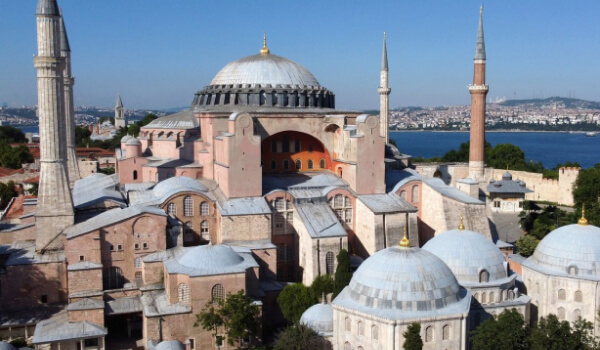
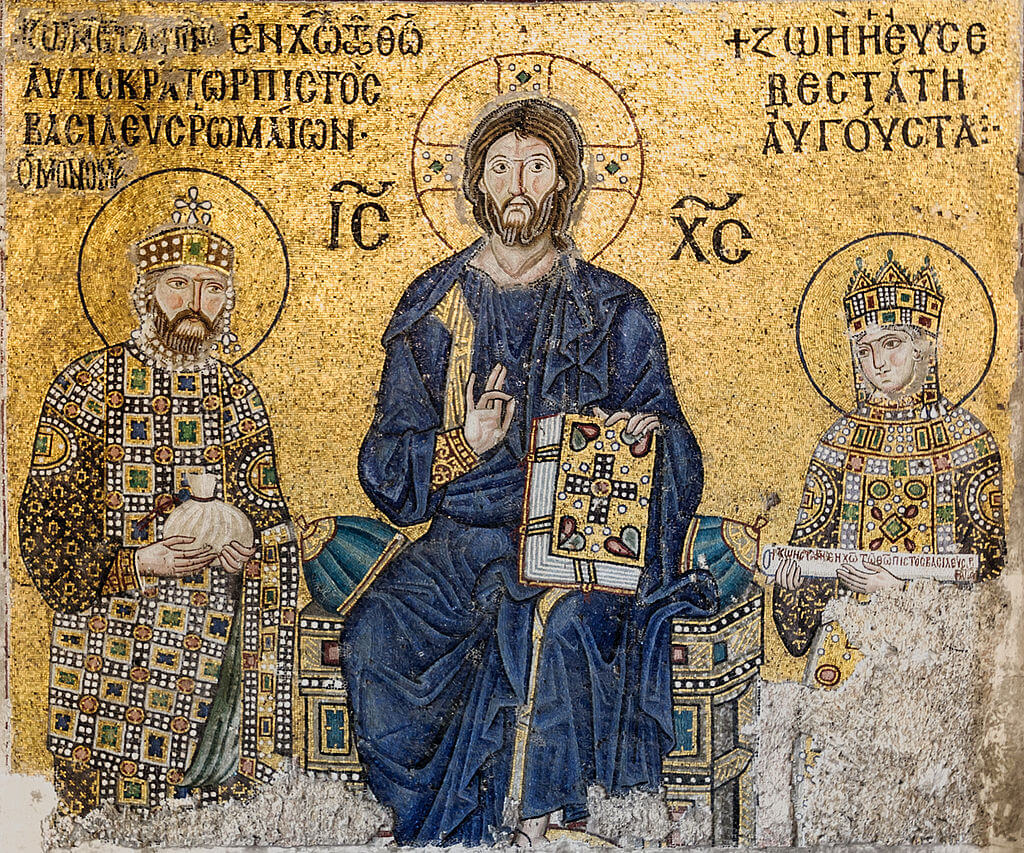
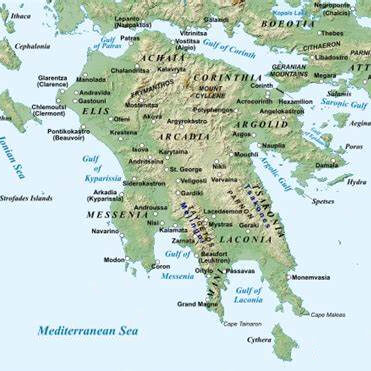
Regions and territories of Greece.


Attica
Read more
Thessalia
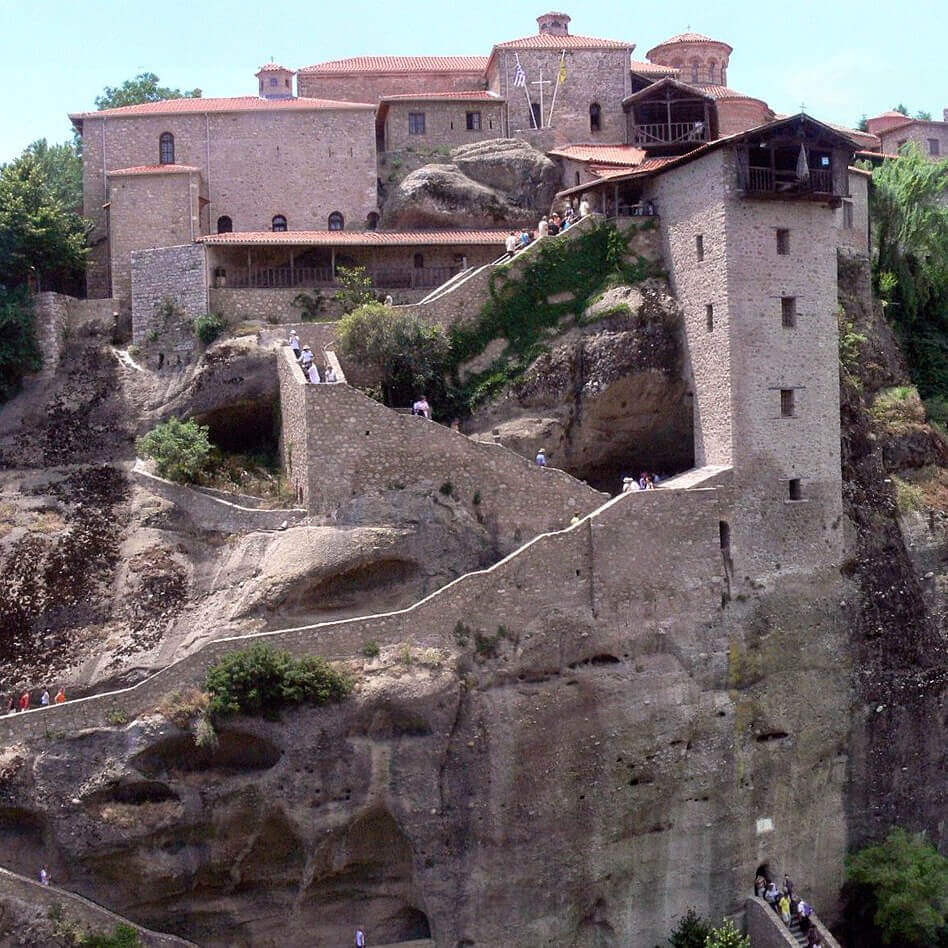
Thessaly served as a rich agricultural heartland of the Byzantine Empire and held strategic importance as a corridor between mainland Greece and the Balkans. In the 13th century, it became part of the Despotate of Epirus before falling to the Catalans and later the Ottomans.
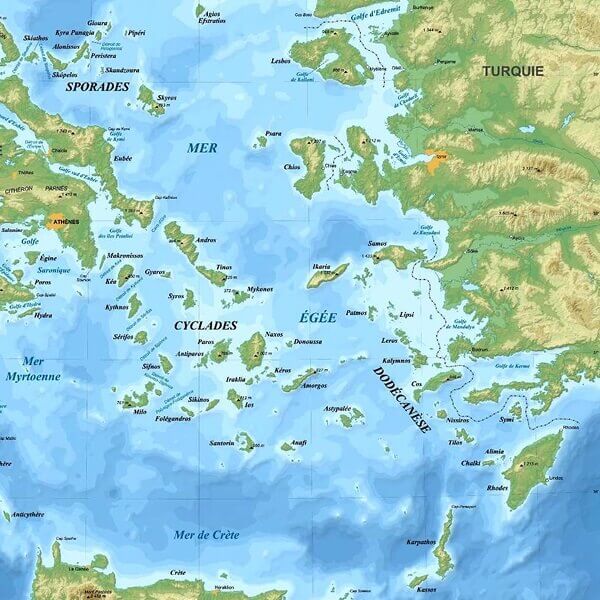
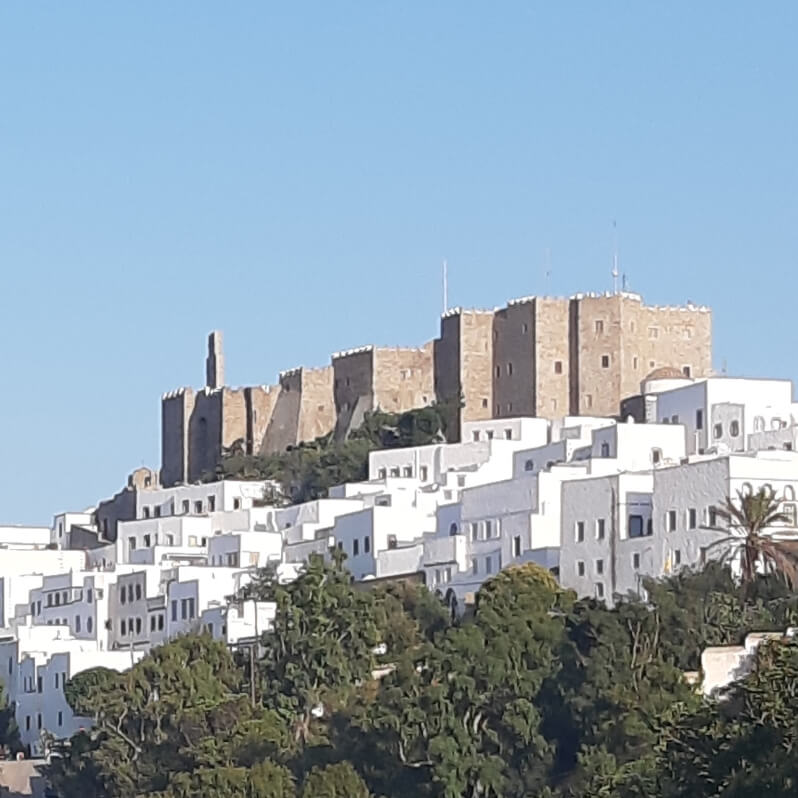
Aegean Islands
The Aegean Archipelago formed a vital maritime network linking Constantinople with the Mediterranean world and securing imperial sea routes. After 1204, many islands fell under Latin and Venetian control, though some remained contested between Byzantium and regional powers.
Regions and territories of Asia Minor.
Asia Minor was the heartland of the Byzantine Empire, home to major provinces and military themes that supplied troops, resources, and key cities. Despite gradual losses to the advancing Turks, the Byzantines retained control over parts of these areas until the late 14th century. Along the Black Sea coast, the Empire of Trebizond persisted as a Byzantine successor state, maintaining the imperial legacy in the region until 1461.