Beyond Byzantium: Political, religious and cultural influence
The Byzantine Empire, heir to the Roman Empire and guardian of classical Greek culture, occupied a unique position at the crossroads of Europe and Asia. Its geography, stretching from the Eastern Mediterranean to the fringes of the Black Sea and the Caucasus, made it a hub of commerce, diplomacy, and cultural exchange, linking diverse civilizations and facilitating the flow of ideas, technologies, and religious traditions across vast distances.
As the continuation of Rome, Byzantium preserved and transmitted the institutional, legal, and intellectual achievements of the classical world while blending them with Christian thought and Eastern influences. This combination of Roman political structures, Greek intellectual heritage, and Christian ideology endowed the empire with a distinct identity and authority that commanded respect far beyond its borders.
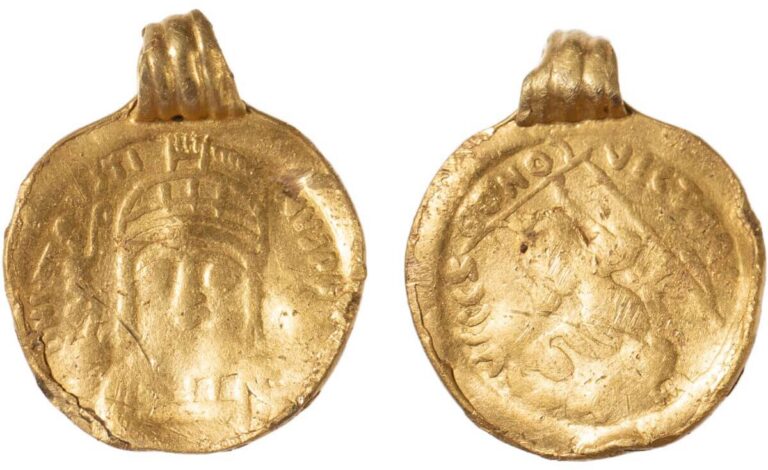
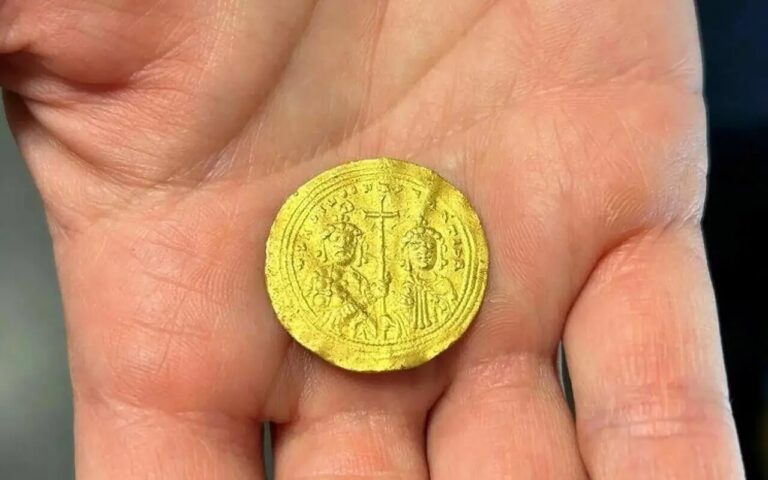
It is precisely because of this unique heritage that Byzantium exerted far-reaching political, religious, and cultural influence. Its diplomacy and imperial protocols shaped the governance of neighboring states, its missionaries spread Orthodox Christianity to distant lands, and its art, literature, and architecture inspired generations of rulers and craftsmen. Byzantine coinage, ceremonial practices, and legal codes became models emulated by courts from the Caucasus to Western Europe, reflecting a civilization whose authority was both tangible and symbolic. Its artistic production—including ivory carvings, silk textiles, mosaics, and jewelry—was especially admired in the West and highly prized by rulers and collectors, further enhancing the empire’s prestige.
The Caucasus, innercourt of Byzantium.
In the Caucasus, kingdoms such as Georgia and Armenia adopted Byzantine models of governance, court ceremonial, ecclesiastical organization, and artistic expression, integrating and blending them with their own strong local traditions. Cultural ties between these regions and Byzantium were close, and Armenians and Georgians formed a significant part of the Byzantine aristocracy – especially between the 9th and 11th centuries—as well as an important cultural minority within the empire’s borders.
-
Byzantine influence on the Kingdom of Georgia
Discover the lasting political and artistic influence of the Byzantine civilisation on the medieval and modern Georgia.

Cultural influence in the Muslim world.
In the Muslim world, Byzantium acted as both a competitor and a conduit, shaping early Islamic administration, architecture, and trade networks while serving as a cultural reference for caliphs and merchants alike—especially in the early period of the Caliphate, when the new rulers relied heavily on administrative and cultural structures inherited from Roman times.
In turn, the Muslim world exerted a strong influence on Byzantium. Its impact is evident during the Iconoclasm crisis, and in the arts, where Byzantines adopted decorative elements inspired by Islamic models, including pseudo-Kufic script used as ornamental motifs on monuments and luxury objects.
Religious and cultural influence over the Balkans and Russia.
In the Balkans and Russia, Byzantium influenced the rise of Orthodox Christianity, the formation of early medieval states, and the development of monastic and artistic traditions, creating a religious and cultural sphere that would endure for centuries.
Cultural and artistic influence in Western Europe.
In Western Europe, the empire’s legal codes, military strategies, artistic motifs, and luxury goods were studied and adapted by emerging kingdoms, while the prestige of Constantinople continued to shape political ideology and ecclesiastical hierarchies, particularly during the Crusades and the later medieval period.
By examining these multifaceted interactions, we gain insight into how Byzantium’s cultural sophistication, political acumen, and religious authority resonated far beyond its borders. The empire was not only a power in its own right but also a transmitter of knowledge, a model of governance, and a source of inspiration for diverse societies. Its legacy demonstrates the interconnectedness of medieval civilizations and underscores why Byzantium remains a cornerstone for understanding the political, religious, and cultural development of Europe, the Middle East, and the wider medieval world.