Byzantine Society: Social hierarchy, classes & daily life explained
Byzantine society was one of the most complex and diverse of the medieval world. Shaped by Roman traditions, Greek culture, and Christian faith, it forged a distinct Byzantine identity that set the empire apart from both East and West. This society brought together people of many communities, professions and backgrounds. From soldiers defending the empire’s borders to artisans producing luxury objects, from eunuchs serving in the palace to clergy guiding spiritual life, and from women managing households to those influencing politics, every group played a role in maintaining the fabric of the empire.
Social life in Byzantium was structured yet dynamic. The imperial court and the church stood at the center of power, but cities and villages alike depended on a wide range of professions and communities. Over time, different groups — artisans, merchants, scholars, peasants, and minorities such as Armenians and Jews — contributed to the empire’s cultural vitality and economic strength.
Pillars of Byzantine society.
The pillars of Byzantine society — imperial power, the church, and the aristocracy — formed the framework that held the empire together. Around these centers of authority, everyday life unfolded through the contributions of peasants, soldiers, artisans, merchants, clergy, and countless others, all shaping the identity and resilience of Byzantium.
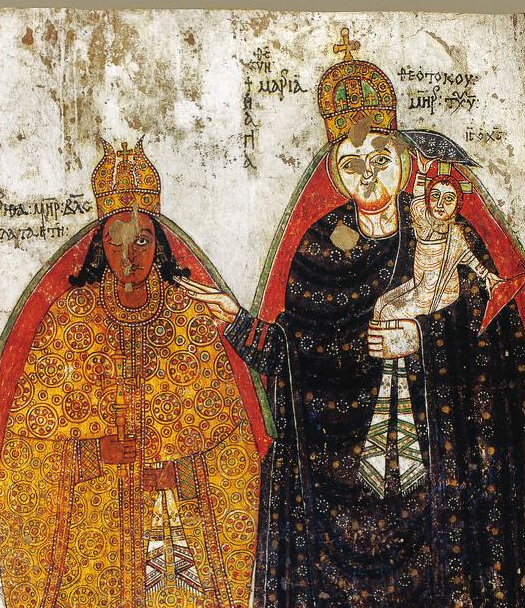
At the apex stood the emperor, regarded not merely as a political ruler but as God’s chosen representative on earth — a status reinforced through elaborate court ceremony, sacred ritual, and an unbroken claim to Roman legitimacy stretching back to Augustus. Yet imperial authority never stood alone. The Orthodox Church functioned as a genuine second center of power, its Patriarch of Constantinople, bishops, and monasteries wielding influence over law, education, and morality that emperors needed but could not fully control — a tension that shaped Byzantine politics for a thousand years.
Beneath these two came a shifting aristocracy built less on inherited blood than on court titles, military command, and land. A Byzantine noble family’s fortunes could rise through imperial favor — a rank like protospatharios or sebastokrator granted directly by the emperor — and collapse just as quickly through disgrace, exile, or a change of dynasty. Unlike Western Europe’s more fixed feudal nobility, Byzantine elite status remained, in principle, always open to talent and always vulnerable to imperial whim: a structural instability that kept the aristocracy dependent on, rather than independent of, the throne itself.
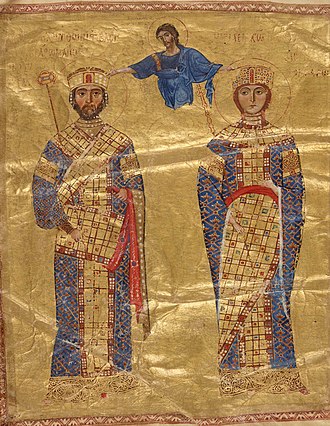
Imperial Power
The emperor stood at the summit of Byzantine society, seen as God’s representative on earth, wielding authority reinforced through elaborate ceremony, sacred ritual, and the enduring claim of unbroken Roman succession.
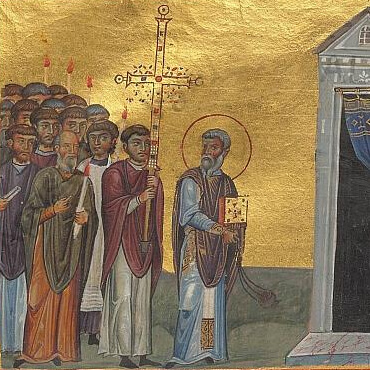
Church and Clergy
From village priests to the Patriarch of Constantinople, the Orthodox clergy shaped law, morality, and daily ritual, standing alongside — and sometimes against — imperial authority as one of the empire’s two central pillars.

The Aristocracy
A shifting elite of landowning families and court dignitaries, the Byzantine aristocracy built and lost fortunes on imperial favor, marriage alliances, and military command, dominating provincial life for centuries.
Professions and Social Roles in Byzantine Society.
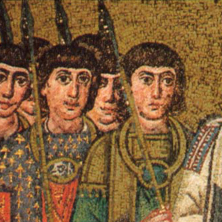
Professions and social roles in Byzantine society reflected the empire’s complex hierarchy. From artisans crafting luxury goods to peasants working the land, from merchants driving regional and international trade to soldiers defending the frontiers, each group contributed to the survival and prosperity of Byzantium. At the lowest rung stood slaves, who remained an integral — though often overlooked — part of daily life. Together, these professions and roles reveal how Byzantine society functioned both economically and socially across cities, villages, and the imperial court.
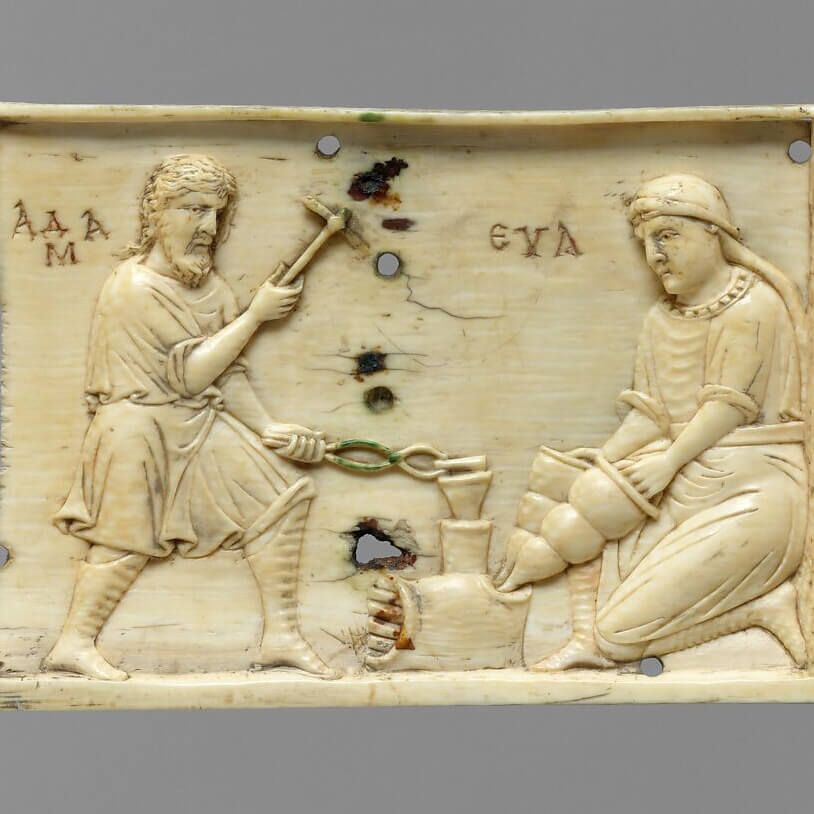
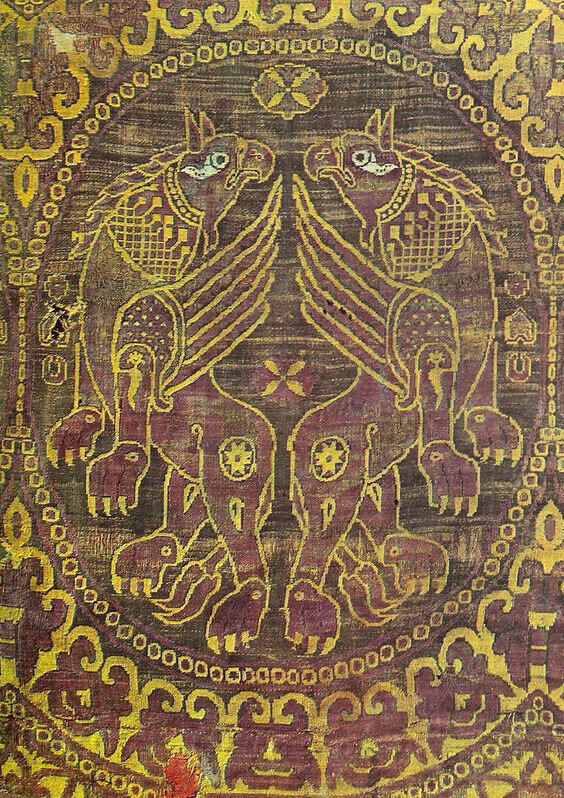
Urban trades were governed with a precision unusual for the medieval world. The Book of the Eparch, a tenth-century regulatory code for Constantinople’s guilds, fixed prices, controlled where certain goods could be sold, and restricted the most lucrative trades — silk manufacture above all — to guild members operating under direct state supervision. This wasn’t bureaucracy for its own sake: silk was a strategic export and a tool of imperial diplomacy, and the state guarded its production as closely as it guarded its coinage.
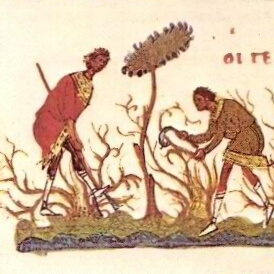
In the countryside, the picture was more stratified still. Free peasant farmers who owned their own land existed alongside paroikoi — dependent tenant farmers bound to work estates owned by the state, the church, or aristocratic families, owing them a share of their harvest and labor obligations in return for protection and access to land. The balance between these two categories shifted constantly with imperial tax policy; a peasant’s actual freedom often depended less on legal status than on which landlord’s – or monastic – estate absorbed his village in a given decade.
Slavery, meanwhile, never disappeared from Byzantine life, but its legal character evolved considerably across the empire’s eleven centuries. Roman law’s older, harsher framework was gradually softened under Christian influence — manumission was actively encouraged as a pious act, and the church recognized slave marriages as valid — yet enslaved people remained fully excluded from military service, most public office, and land ownership in their own right throughout the empire’s history.
What united all these groups — artisans, peasants, merchants, soldiers, the enslaved — was the same basic fact of Byzantine life: almost no profession existed independent of the state. Guild membership, land tenure, tax obligation, and even military service were all, at some level, administered from Constantinople, making the empire’s professional hierarchy as much an instrument of central control as an economic system in its own right.

Social groups and communities.
Byzantine society was not only structured by professions and hierarchy but also by distinct communities and social groups. Women, children, eunuchs, and minorities each navigated the empire in unique ways, shaping its culture, economy, and politics. Their experiences reveal how identity, status, and belonging were defined in Byzantium, highlighting the diversity that lay at the heart of the empire.
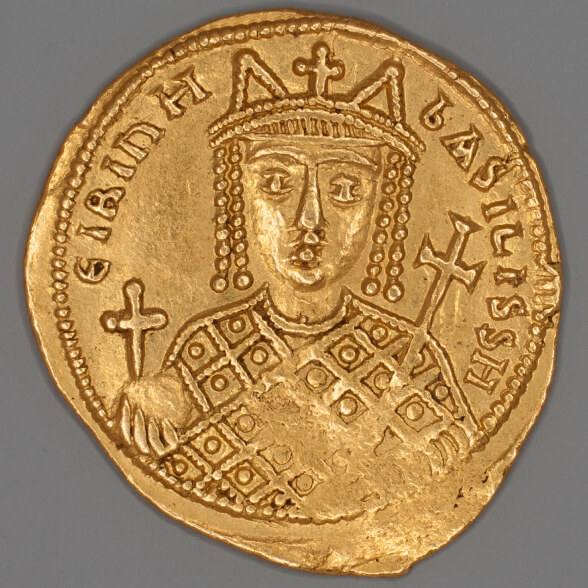
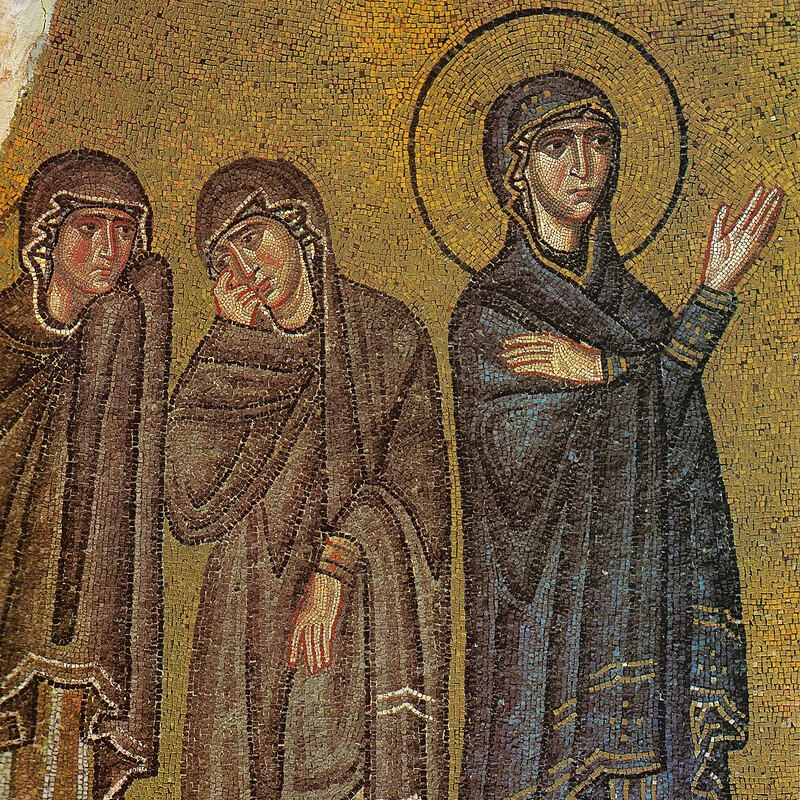
Byzantine law formally restricted women from holding public office or serving in the army, yet the reality of court life often told a different story. Empresses such as Theodora, wife of Justinian, and Irene of Athens, who ruled in her own right and even styled herself basileus rather than the feminine basilissa, exercised power that rivaled any male co-ruler. Outside the palace, women managed household finances, ran workshops, and controlled their own dowries under Byzantine law more securely than in much of contemporary Western Europe — even as social convention pushed elite women toward the gynaikonitis, the women’s quarters of a household, for much of daily life.
Childhood in Byzantium was shadowed by realities modern readers can find startling: infant mortality is estimated to have claimed as many as a third of children before their first birthday, and formal education — centered on grammar, rhetoric, and scripture — was available almost exclusively to boys from families who could afford it. Girls, by contrast, were typically married in their early-to-mid teens, their childhoods compressed by the expectation of an early transition into household management and motherhood.
Eunuchs occupied a genuinely unique legal and social category, one with few real parallels in the medieval West. Barred by long-standing custom from claiming the throne themselves, they were considered structurally incapable of founding a rival dynasty — which paradoxically made them some of the most trusted men in the empire, entrusted with command of armies, control of the treasury, and the most intimate access to the emperor’s household. Some of Byzantium’s most consequential generals and ministers, including the sixth-century commander Narses, rose from this same status.
The empire’s minorities and foreign communities, meanwhile, were never a marginal footnote to Byzantine life but an active part of its governance. Armenians in particular rose to the very top of the state — several emperors, including Basil I, founder of the Macedonian dynasty, and Leo V, were of Armenian origin — while Jewish communities maintained continuous urban presences in cities like Constantinople and Thessaloniki across the empire’s entire history, subject to shifting legal restrictions but never expelled outright. Foreign soldiers, from Rus mercenaries who eventually formed the elite Varangian Guard to Norman knights serving as generals, became so thoroughly woven into Byzantine military and court life that “foreign-born” and “loyal servant of the emperor” were frequently one and the same description.
The physical landscape of Byzantine Society.
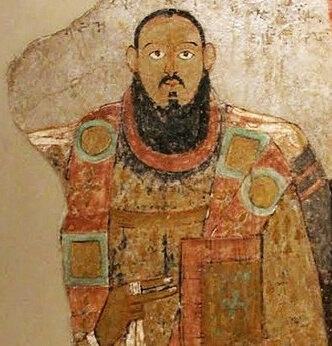
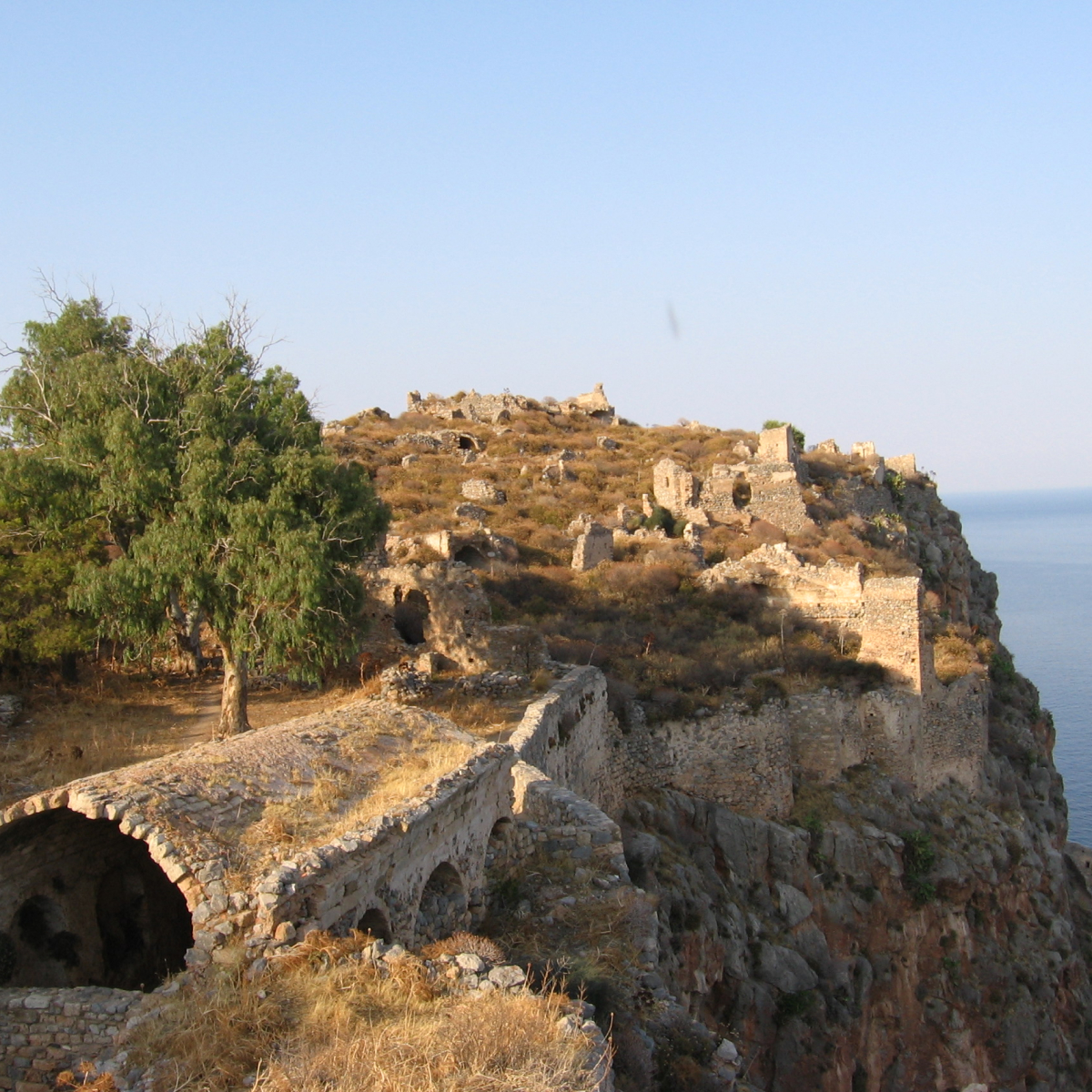
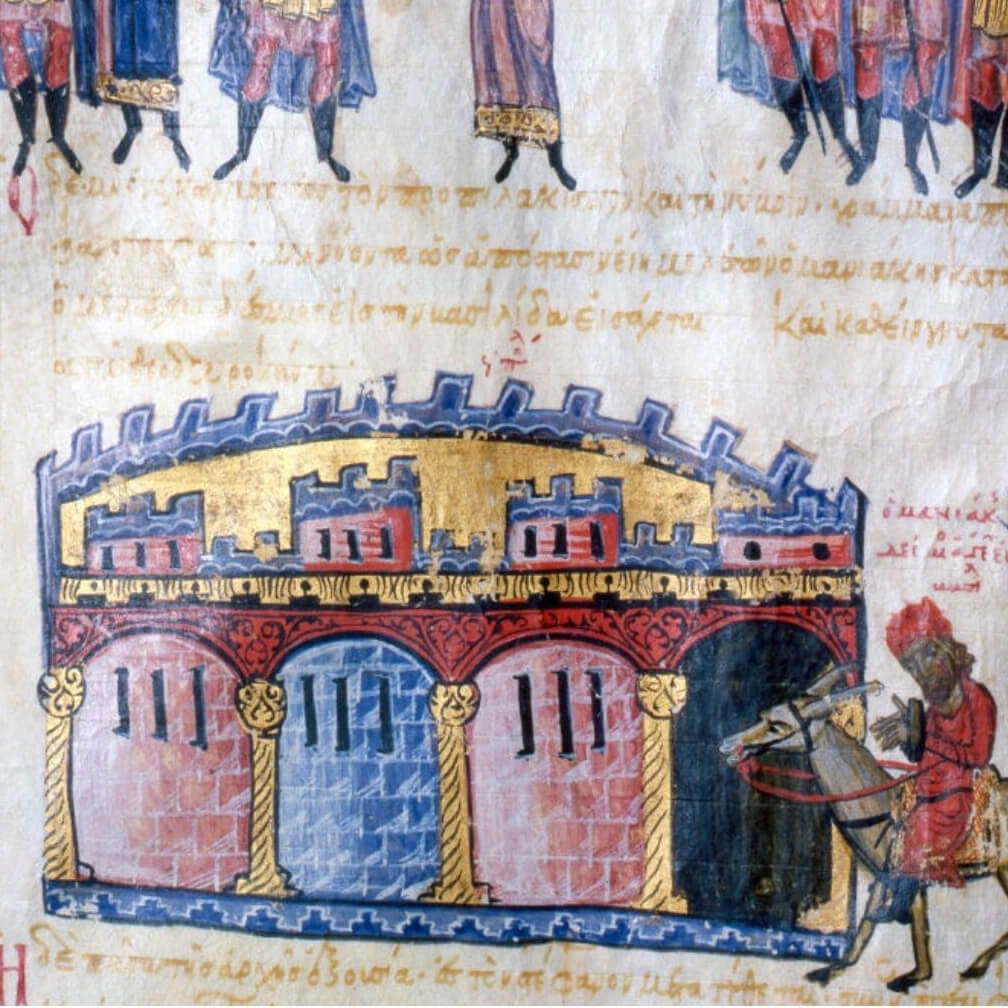
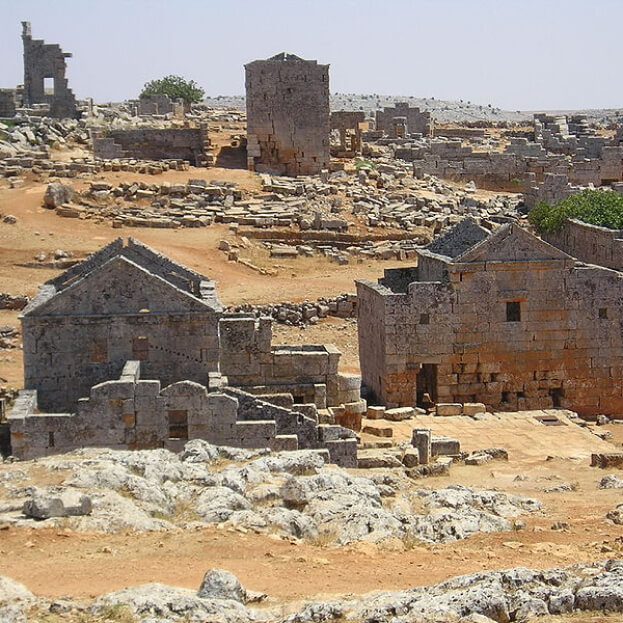
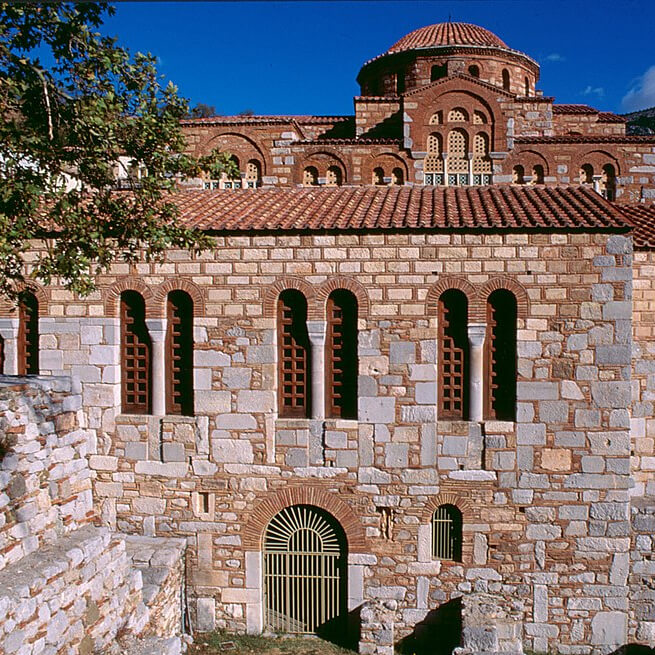
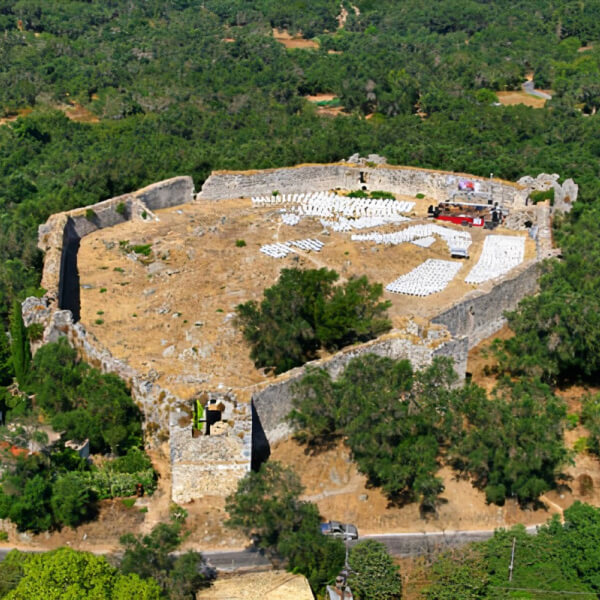
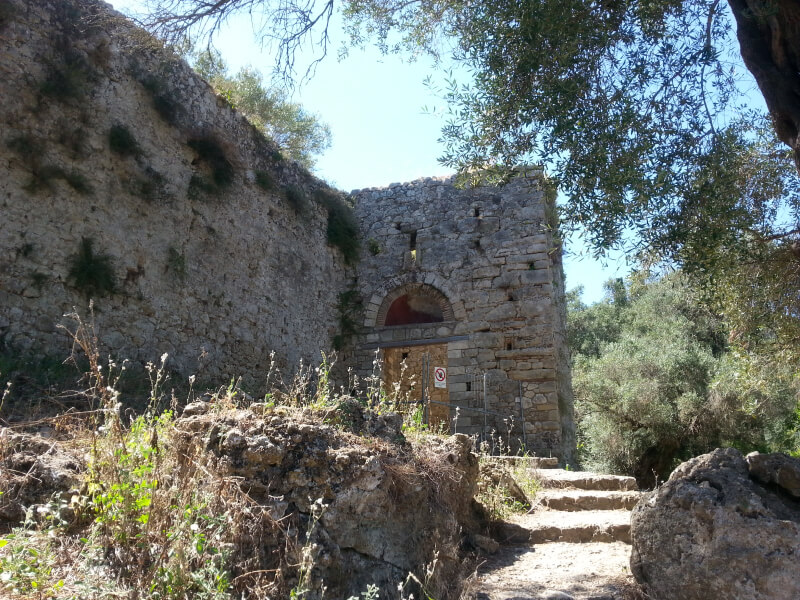
Byzantine society took shape within a distinct physical landscape. People lived in bustling cities and small villages, while monasteries dotted both countryside and urban outskirts, shaping religious and social life. Castles and fortresses guarded frontiers and trade routes, reflecting the empire’s constant need for defense. Together, these spaces defined the rhythms of daily life and the structures of power in Byzantium.
Few cities in the medieval world matched Constantinople’s scale. At its sixth-century height under Justinian, the capital held perhaps half a million people behind the Theodosian Walls — a population Western Europe would not see in a single city again for centuries. But Byzantine urban life was never just about the capital: provincial cities across Anatolia, the Balkans, and Italy served as administrative seats for the themes, the empire’s military-provincial districts, each built around a central marketplace, a cathedral, and its own circuit of walls. That population, however, was never stable — plague, siege, and territorial loss repeatedly hollowed out Constantinople itself, which by the eve of its fall in 1453 held barely a tenth of its Justinianic peak, its walls enclosing fields and ruins as much as houses.
Beyond the cities, the vast majority of Byzantines lived out their lives in small agricultural villages, often organized as choria — communities collectively responsible for meeting the tax obligations of the whole settlement, a system that bound neighbors together financially whether they wished it or not. A village’s social world rarely extended far beyond its parish church, its fields, and the nearest market town, yet these scattered communities were the empire’s true economic foundation, their surplus grain and produce ultimately funding the armies and bureaucracy of the distant capital.
Monasteries occupied an unusually powerful position in this landscape — far more than retreats for prayer. Major foundations such as those on Mount Athos, formally organized from the tenth century onward, functioned simultaneously as major landowners, informal lenders, hospitals, orphanages, and archives, giving the church an economic footprint that rivaled the aristocracy’s. Monasteries also served a distinctly political function: emperors, empresses, and rivals judged too dangerous to kill but too prominent to ignore were routinely tonsured and confined to monastic life, turning the cloister into one of Byzantine politics’ most common instruments of exile.
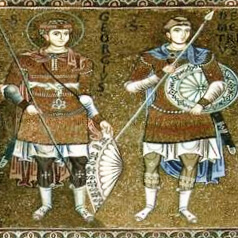
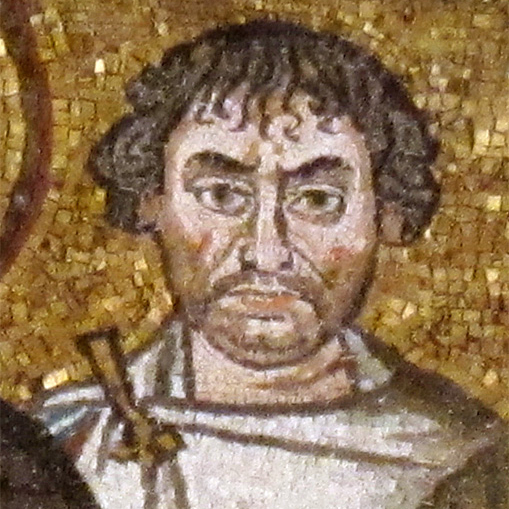
The empire’s castles and fortress networks, meanwhile, were never merely defensive afterthoughts — they were woven directly into Byzantine social structure. Under the thematic system, frontier soldiers known as stratiotai held tax-exempt land in exchange for hereditary military service, meaning entire farming communities along the Anatolian and Balkan frontiers doubled as standing militias, their homes and fields inseparable from the empire’s defense.


Daily Life in Byzantium
Beneath the empire’s grand hierarchies of emperor, church, and aristocracy lay the ordinary rhythms of everyday existence — what people ate, wore, believed, and did with their limited free time. For most Byzantines, life moved to a calendar set as much by the church as by the seasons.
The Orthodox liturgical calendar structured daily and yearly life with remarkable thoroughness. A significant portion of the year — often estimated at close to half of all days — fell under some form of fasting restriction, shaping diet as much as devotion: bread, olive oil, vegetables, legumes, and fish formed the staples of most tables, while meat, an expensive luxury for poorer households in any case, was reserved for feast days and the wealthy. Wine, watered down and drunk by nearly everyone, was as much a daily staple as bread itself. Sundays and the frequent saints’ feast days brought communities together at church, then often spilled into the closest thing Byzantium had to a public holiday — markets, processions, and, in the capital, the roar of the Hippodrome.
Clothing marked status as precisely as any court title. Silk, the empire’s most tightly controlled luxury good, was legally restricted in its finest forms to the imperial family and highest aristocracy, its dye — particularly the famous imperial purple, derived from murex sea snails — reserved by law for the emperor alone. Ordinary Byzantines wore wool and linen tunics, their color and quality the clearest visual signal of where a person sat in society, long before they spoke a word.
Entertainment centered overwhelmingly on Constantinople’s Hippodrome, where chariot races drew tens of thousands and turned charioteers into genuine celebrities. The rivalry between the Blue and Green factions — organized fan groups with roots stretching back to Rome’s own circus factions — went well beyond sport, at times erupting into full political violence, most infamously during the Nika riots of 532, which very nearly cost Justinian his throne and left much of Constantinople in ashes.
A typical household, whether in the capital or a provincial village, was organized around work tied closely to the rhythm of daylight and season: agricultural labor for the majority who farmed, workshop hours regulated by guild rule for urban artisans, and domestic management largely in the hands of women, who ran households, raised children, and — in wealthier homes — oversaw domestic staff, all while public life outside the household remained more visibly the domain of men.
Byzantine society was a rich tapestry of power, profession, and community, shaped by imperial authority, the church, and a diverse population. From artisans and soldiers to women, minorities, and eunuchs, every group contributed to the empire’s resilience and cultural vibrancy. Understanding its structures, roles, and social dynamics provides a clearer picture of how Byzantium sustained its influence across the medieval world.
Frequently asked questions
What was the social hierarchy of Byzantine society?
Byzantine society was structured around the emperor at the top, followed by the aristocracy and senior clergy, then a broad middle tier of merchants, artisans, and free peasants, with dependent tenant farmers (paroikoi) and enslaved people at the bottom. Status could be inherited through land and family name, but was just as often granted — or revoked — directly by imperial favor.
Were there slaves in the Byzantine Empire?
Yes. Slavery persisted throughout Byzantine history, though its legal treatment softened considerably under Christian influence — manumission was encouraged as an act of piety, and the church recognized slave marriages — while enslaved people remained barred from military service, most public office, and independent land ownership.
What role did women play in Byzantine society?
Byzantine women managed households, ran businesses, and entered convents, while a number of empresses and regents — including figures who ruled in their own right — wielded direct political power, often exceeding what the period’s moral and legal literature formally allowed for women.
Why were eunuchs important in the Byzantine court?
Because eunuchs were legally barred from claiming the imperial throne, they were considered uniquely trustworthy by emperors, and rose to command armies, oversee the treasury, and serve as some of the most powerful officials in the palace bureaucracy.
Could someone rise through the social ranks in Byzantium?
Social mobility was possible but unstable. Court titles and aristocratic status were often granted directly by the emperor rather than purely inherited, meaning a talented soldier, official, or eunuch could rise rapidly — but a change in dynasty, a fall from favor, or exile could just as quickly erase generations of accumulated status.
How were merchants and artisans regulated in Constantinople?
Through a strict guild system codified in the tenth-century Book of the Eparch, which fixed prices, controlled trading locations, and restricted strategic trades such as silk manufacture to state-supervised guild members — among the most tightly regulated urban economies of the medieval world.