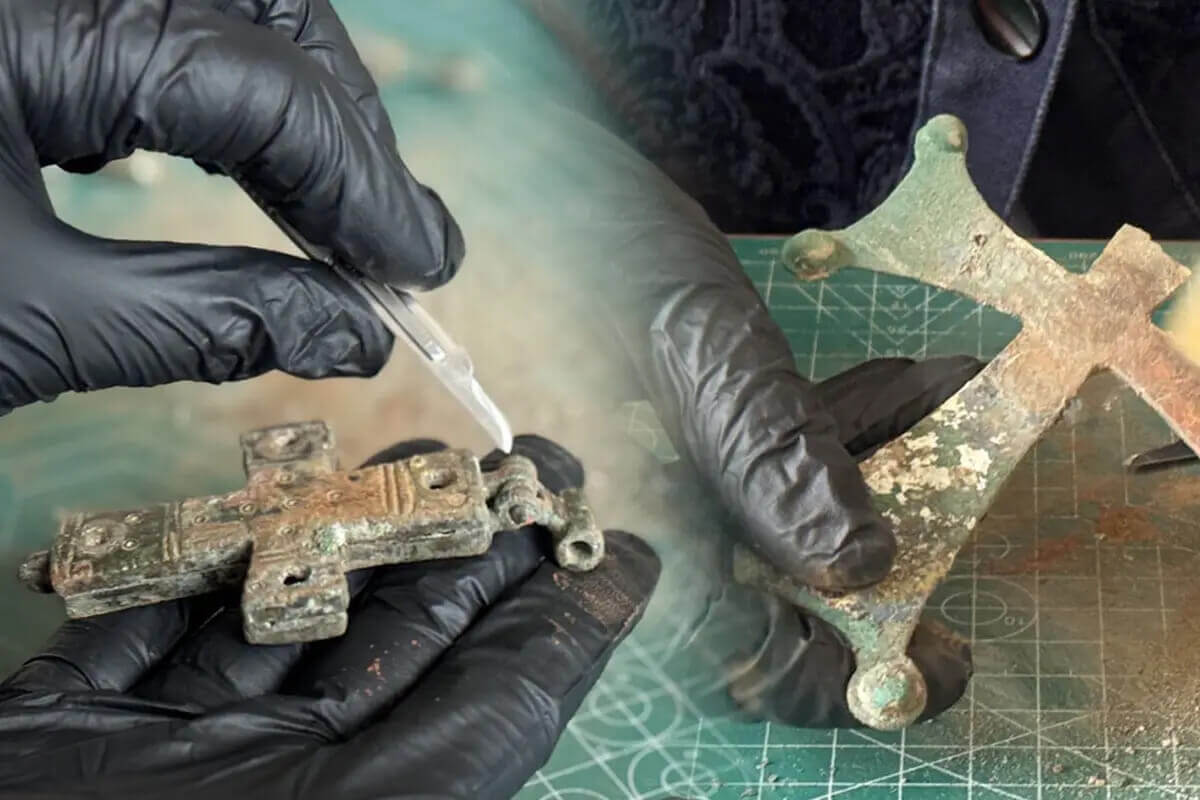
Intact Byzantine reliquary cross found in the ancient city of Lystra
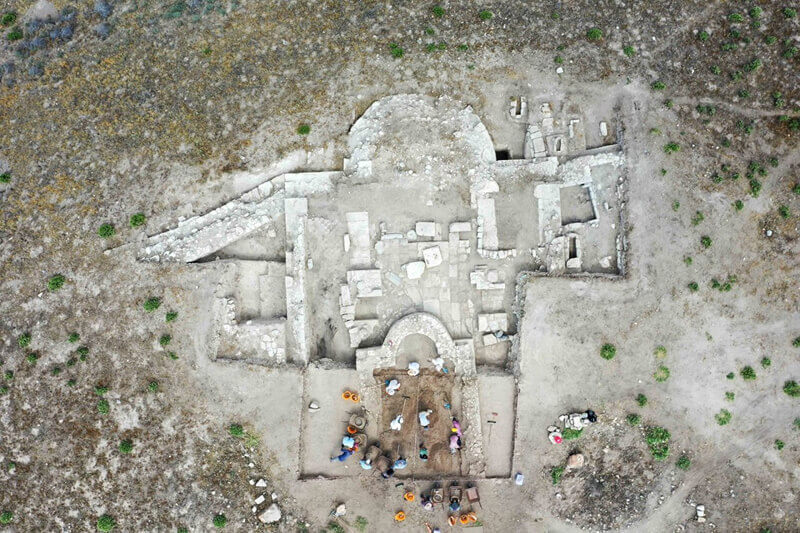
The ancient city of Lystra, today often referred to as Killistra, is located in the Meram district of Konya province, in Turkey. It is an important site, both in historical sources and because it yields significant archaeological finds that illuminate the evolution of early Christian and Byzantine devotional life in Central Anatolia. During recent excavations at a medieval church complex, a team led by Associate Professor İlker Mete Mimiroğlu of Necmettin Erbakan University uncovered a rare bronze reliquary cross. Unlike the majority of such artifacts found in fragmented states, this particular object remains permanently sealed, offering a unique opportunity to study medieval craftsmanship and burial traditions in their original context.
Lystra, a strategic roman colony and a biblical landmark.
The city’s strategic and religious importance dates back to the Roman Empire, which established Lystra as a colony in 6 BCE under the name Colonia Iulia Felix Gemina. Founded likely to exert control over the mountainous tribes to the west, the colony was later incorporated into the province of Galatia. The Romans further integrated the city by constructing a major road connecting it to Iconium to the north.
In the biblical tradition, Lystra is renowned as a primary site of the missionary journeys of Saint Paul, who visited in 48 and 51. Accompanied by Barnabas and later Silas, Paul sought refuge in Lystra after fleeing persecution in Iconium. It was here that he performed miracles and met his prominent disciple, Timothy. While ancient authors debated whether the city belonged to Lycaonia, Isauria, or Galatia, it established the city as an important religious center since the early christian times.

Rock-cut remains of the ancient city of Lystra – Kilistra 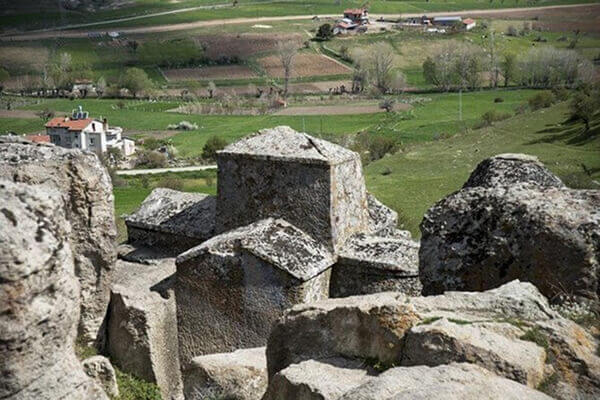
Rock-cut Byzantine church, dating back to the 7th or 8th century
Kilistra, from the Byzantine bishopric to the archaeological site.
Its role as a Byzantine bishopric and pilgrimage destination remained undisputed throughout the Middle Ages, until the region passed under Muslim dominance and the Christian presence diminished. Due to its historical significance, and despite the abandonment of the ancient city by its inhabitants, Lystra remains listed as a titular Catholic bishopric to this day.
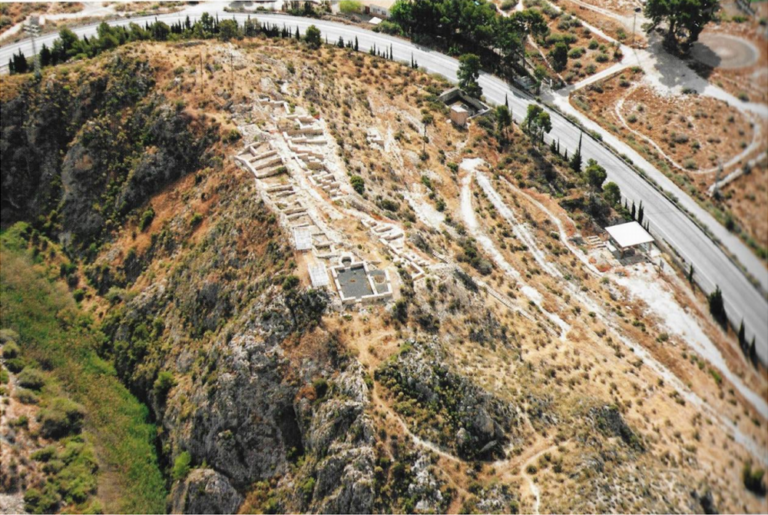
The remains of the ancient city are known today as Kilistra, located near the village of Gökyurt. The site features extensive archaeological vestiges, including rock-cut dwellings, a winery, and a church notable for a large cross carved into its wall. Overlooking the valley is a hilltop site locally called Alusumas, which contains additional urban ruins and a second church. While the surrounding rock-cut structures are well-documented, the primary city ruins on the hill remain largely unexcavated, representing a significant area for future archaeological investigation.
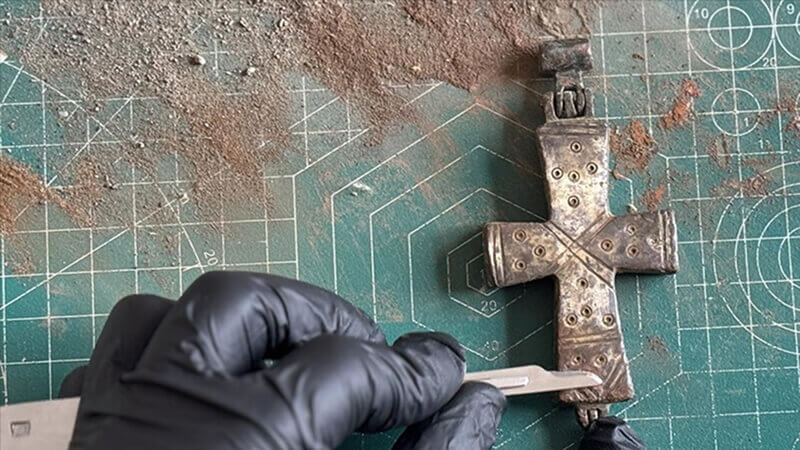
A rare sealed reliquary from the Middle Byzantine period.
Dating to the Middle Byzantine period, specifically between the 9th and 11th centuries, the artifact is composed of two bronze plates joined by a specific riveting technique. Designed as a portable object intended to be worn as a necklace, the cross features simple geometric motifs rather than the more common human figures found on contemporary metalwork. This restrained aesthetic suggests the item may have belonged to a cleric or a devout local citizen rather than an elite member of society.
Its most exceptional feature is its state of preservation; whereas most reliquary crosses were either looted or damaged by environmental pressure, this specimen was recovered exactly as it was manufactured nearly a thousand years ago.
Non-invasive conservation and internal contents analysis.
Following its discovery, conservators opted for a non-invasive approach to preserve the object’s integrity. Because the cross has no opening mechanism and was riveted shut during its creation, archaeologists have decided not to force it open. A limited visual inspection through a small natural gap revealed no identifiable bone relics, but researchers observed a fragment of fabric resembling a burial shroud. This indicates the cross likely contained a “brandea”- a piece of cloth that had touched a holy site or relic – which was a common practice in medieval Christian ritual to provide the wearer with spiritual protection.
The discovery of this sealed reliquary cross at Lystra underscores the strength of Christian devotional life in medieval Anatolia. By stabilizing the artifact without disturbing its contents, the excavation team chose to preserve the integrity of the object as intended by its 9th-11th century creators. Ongoing research at the site, supported by the turkish Ministry of Culture and Tourism, promises to further clarify the intersection of faith, craftsmanship, and daily life in the Byzantine world. Furthermore, these efforts provide vital new data regarding a site that has remained almost unexplored for 21st-century archaeologists.