Excavation of the Castellum of Elo and its monastery, a unique Byzantine site in Spain
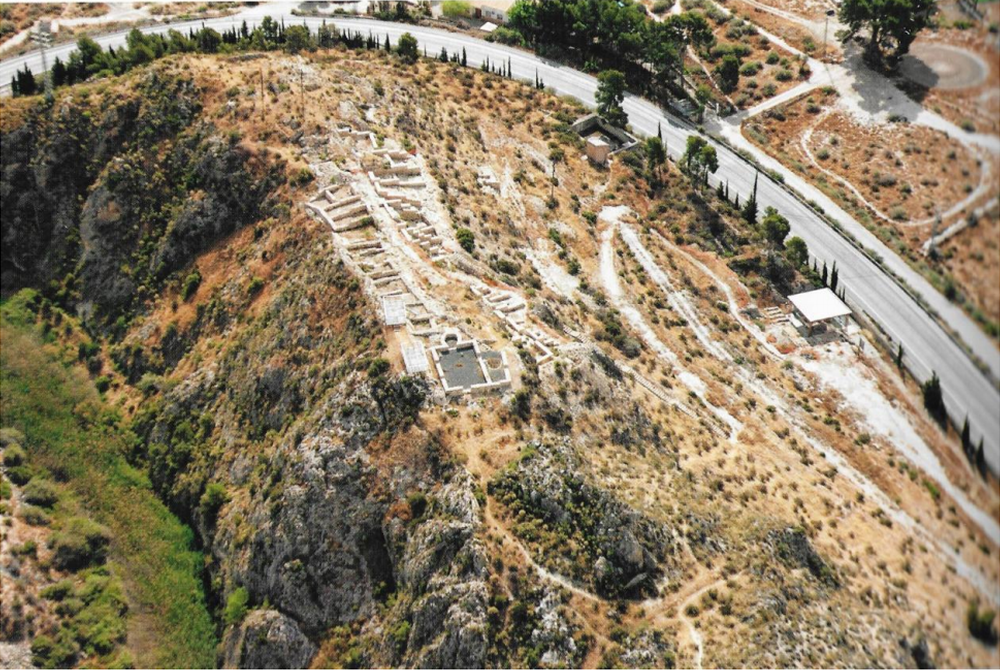
El Monastil stands as a key archaeological site in Elda, Alicante. Researchers identify it as the Roman center of Elo. Excavations reveal an exceptional Proto-Byzantine castellum at the site. This fortified settlement housed a significant monastic community during the 6th and 7th centuries. It demonstrates the powerful reach of the Eastern Roman Empire in the Iberian Peninsula.
The strategic outpost of Elo.
Elo occupied a vital position in the Vinalopó corridor. It controlled essential communication routes during the late Roman and Byzantine periods. The site functioned as a secondary center under the territory of Ilici Augusta. Eastern Roman conquerors based in Ilici managed the castellum directly. This outpost guarded the northern approach to the province of Spania. It lay only 30 kilometers from the Mediterranean coast.
The monastic complex, and religious findings.
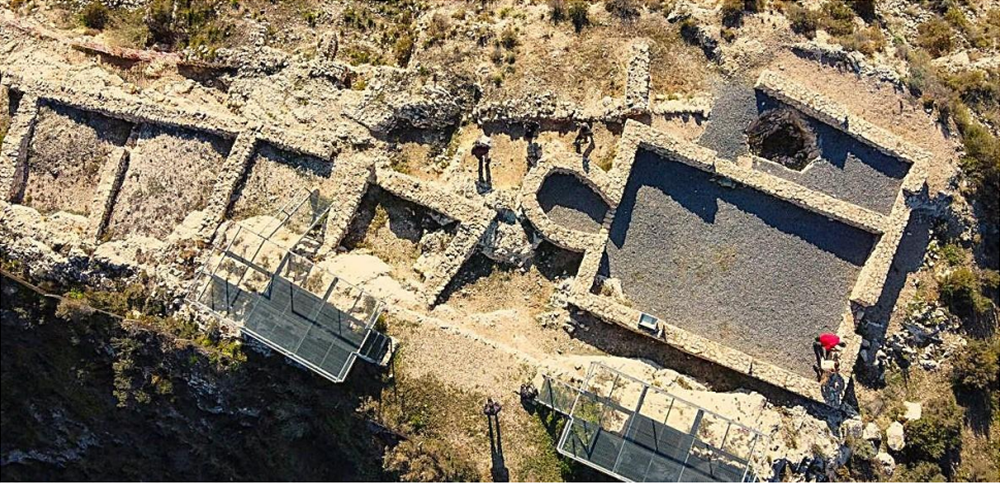
A Christian church crowns the highest point of the acropolis. This religious center flourished during the 6th century as a monastic enclave. Archaeologists recovered significant liturgical furniture from the site. Findings include fragments of marble lobed altar tables and a stone stipe. The team also discovered a heavy octagonal column base. These elements match architectural styles common in the Eastern Empire. Ilici likely provided these pieces to the castellum during its Byzantine phase.
Byzantine military presence and trade.
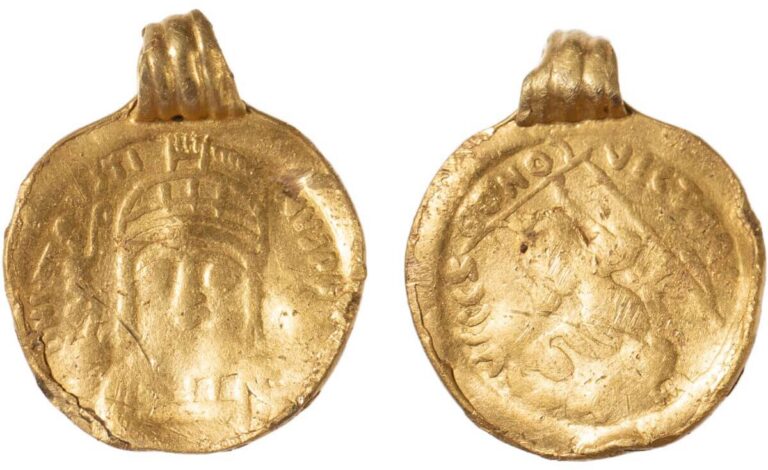
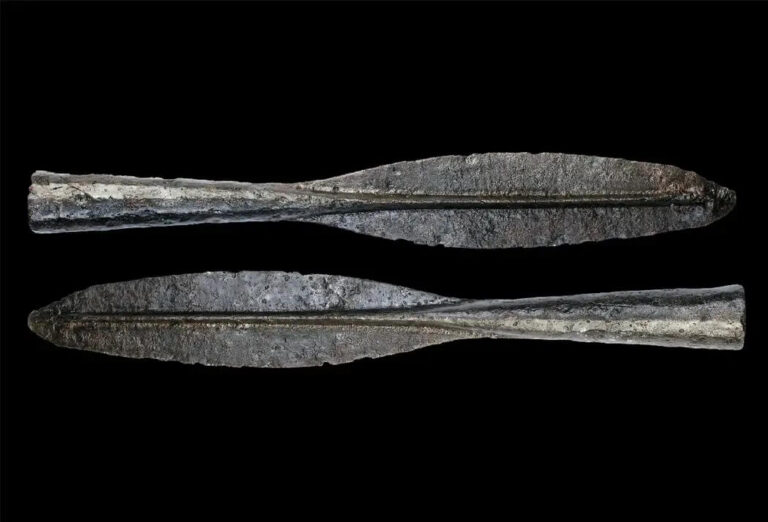
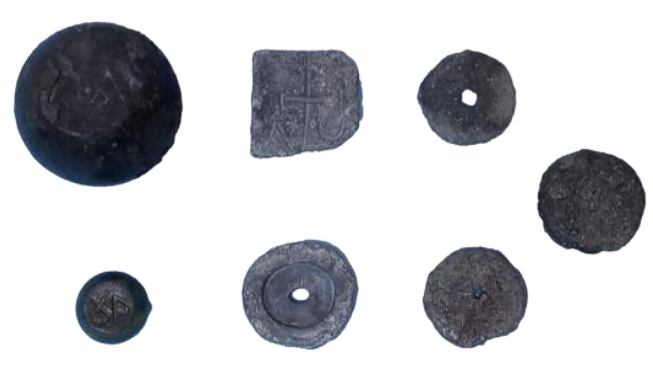
El Monastil reveals clear signs of Byzantine military activity. Excavators identified iron plates from a soldier’s armor. This type of equipment appears in other major Byzantine centers like Carthago Spartaria. The site also yielded seven official Byzantine weights known as exagia. This number is exceptionally high for a secondary settlement. Additional objects like an ivory pyxis suggest active trade links. These artifacts emphasize the role of Elo as a strategic military and economic point.
From episcopal seat to Al-Munastir.
The Visigoths conquered the site in the late 7th century. It briefly became an ephemeral episcopal seat known as the Ecclesia Elotana. This status ended quickly after the Visigothic period. The site returned to its monastic function before the Islamic conquest. Arab forces eventually occupied and looted the complex. They named the ruins al-munastir, a term that persisted in local toponymy. This transition marks the end of Elo’s role as a Christian stronghold.
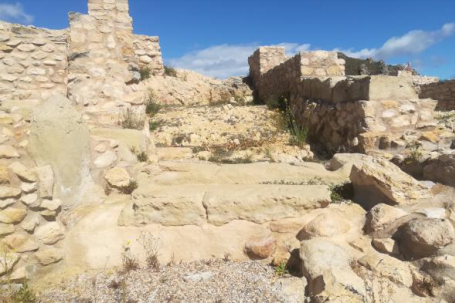
Monumental door of the upper part 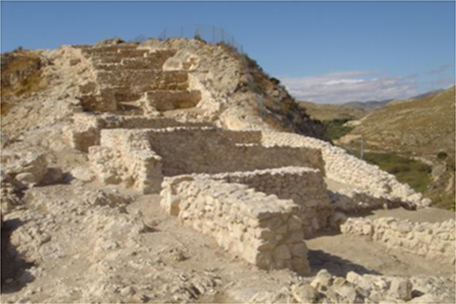
Access to the church
The castellum of Elo provides a rare look at Byzantine life in Hispania. Its ruins bridge the gap between late Roman traditions and early medieval power structures. El Monastil remains a testament to the Eastern Roman legacy in the region. The preservation of its liturgical and military heritage offers invaluable insights into the history of Elda.
Source here.