Unearthing Byzantium: The latest archaeological discoveries of Byzantine Treasures
Stay informed about the latest news and discoveries in the fascinating field of Byzantine archaeology!
The study of Byzantine archaeology is essential for deepening our understanding of the Byzantine world. While much of what we know comes from historical sources and archives, these accounts are often incomplete due to the passage of time and political upheavals. Archaeological research, therefore, plays a crucial role in documenting periods and regions underrepresented in written records. It also offers invaluable insights into the art, culture, and daily lives of ordinary people – those often overlooked by aristocratic or ecclesiastical authors.
Despite its importance in revealing the complexity of Byzantium and its border regions, Byzantine archaeology has long been neglected. Since the rise of modern archaeology, this field was frequently overshadowed by a preference for classical antiquity, considered more prestigious or intellectually refined. Political and national biases further deepened this marginalization, leading to the loss of vital contextual information – even at major sites.
Today, the situation is changing. Although Byzantine archaeology is still sometimes subsumed under broader studies, the long-standing disinterest is gradually fading. Growing recognition of its cultural and historical significance is inspiring new research, bringing to light remarkable findings that reshape our view of Byzantium’s enduring legacy.
Join us as we explore the most recent archaeological discoveries illuminating the territories of the Byzantine Empire: its treasures, people, and lasting influence on world history.
-
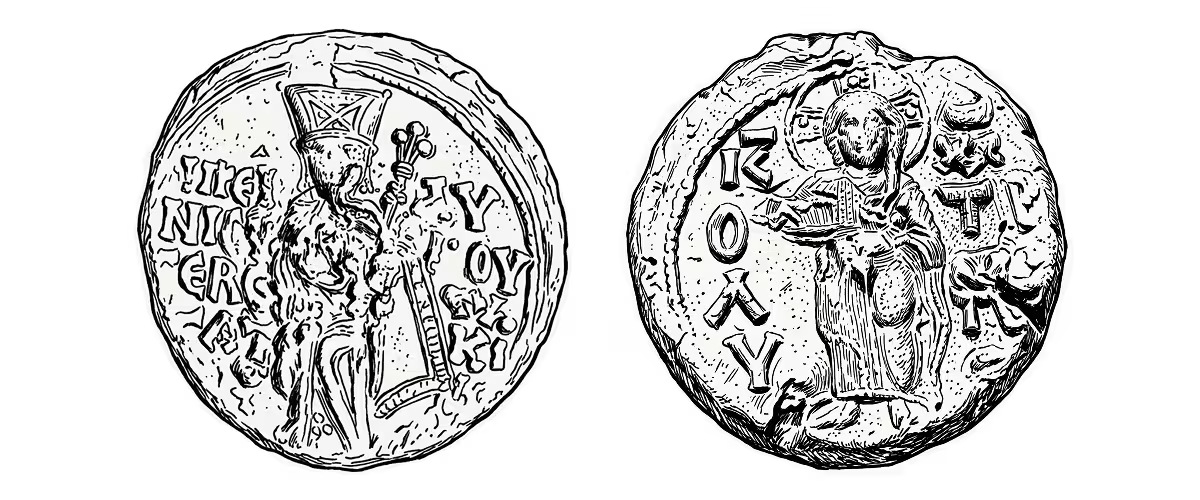
Unique seal of Empress Irene Laskarina discovered at Perperikon, Bulgaria
A unique 13th century seal of Empress Irene Laskarina discovered at Perperikon reveals medieval Nicaean Bulgarian diplomacy.
-
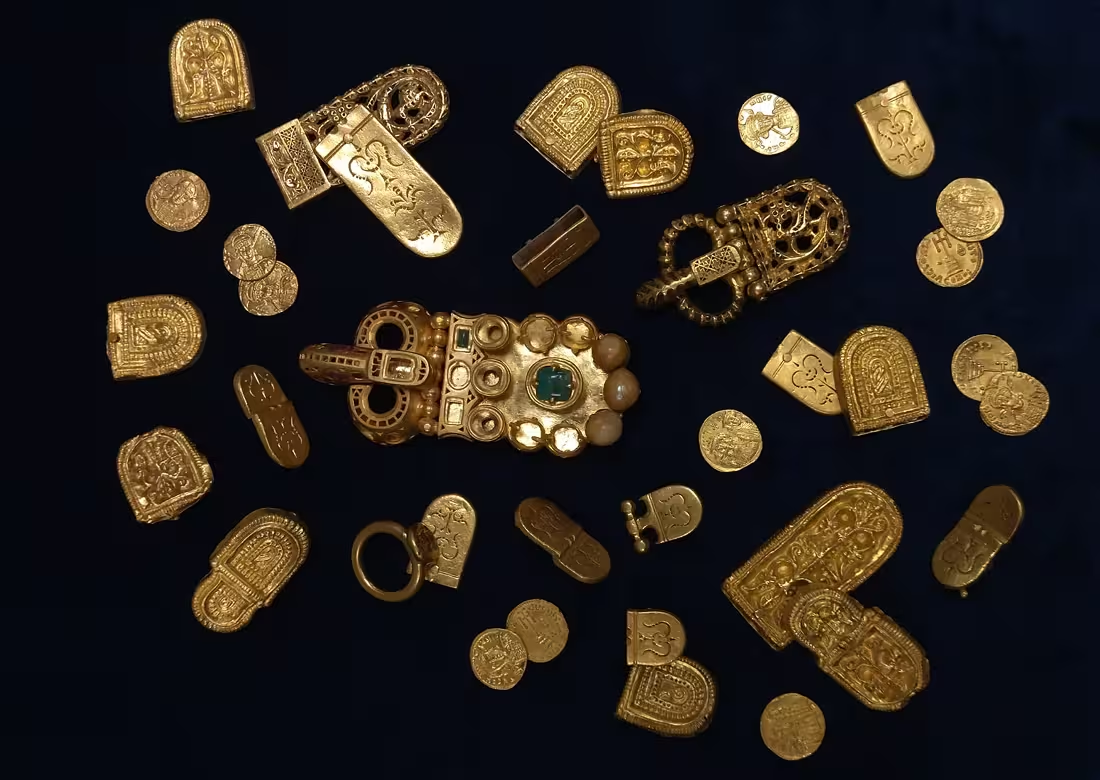
Gold treasure and imperial ring in 7th-century Byzantine wreck in Croatia
Over 600 grams of gold, gems, and imperial coins were found in a 7th-century Byzantine shipwreck off the coast of Mljet, Croatia.
-
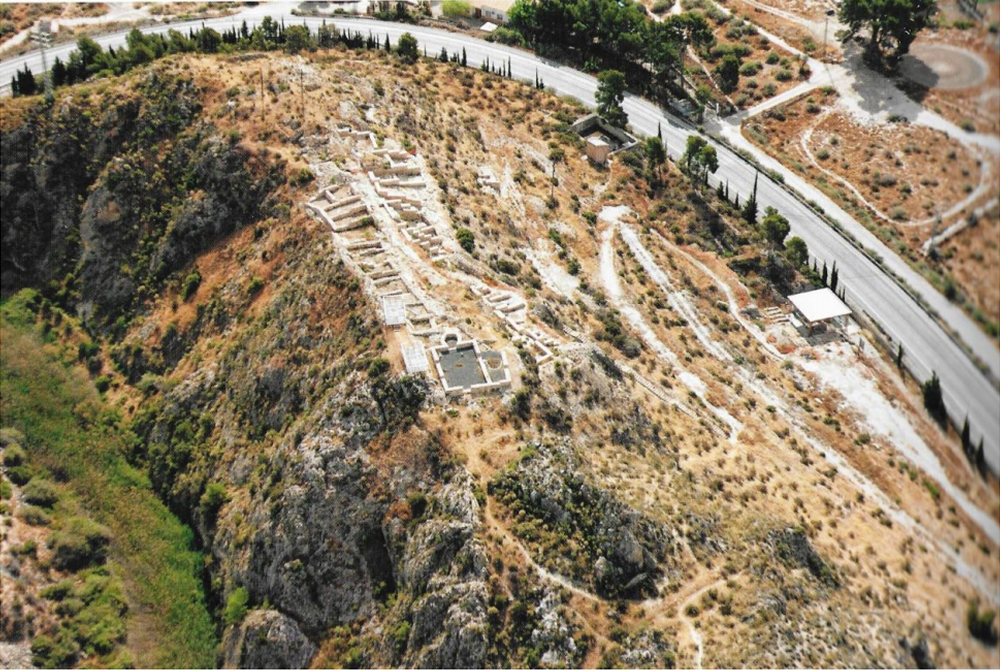
Excavation of the Castellum of Elo and its monastery, a unique Byzantine site in Spain
Discover the proto-Byzantine castellum of Elo and its monastic church in Elda. A key site of Eastern Roman influence in Spain.
-
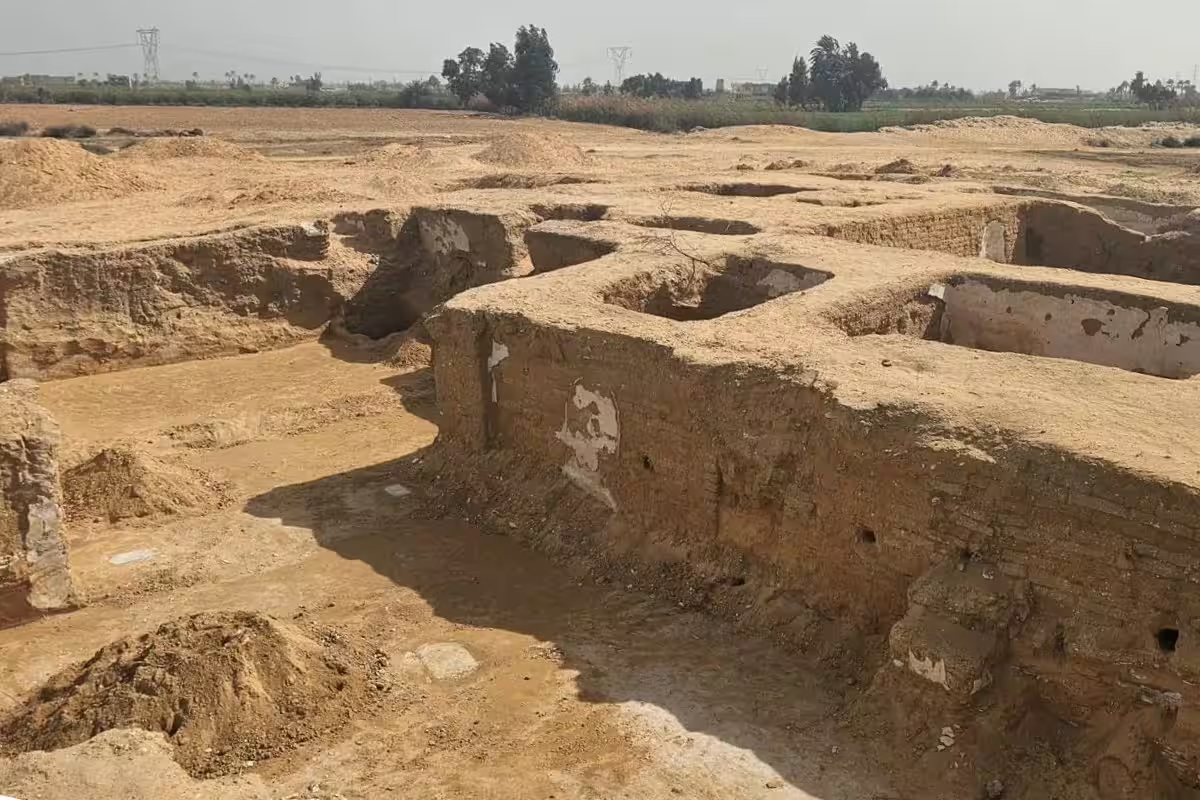
Egypt’s Nile Delta yields its second-largest Christian monastic site
Excavations in Egypt reveal Al-Qalāyā as the second-largest Christian monastic site in history, with rich 5th-century art and architecture.
-
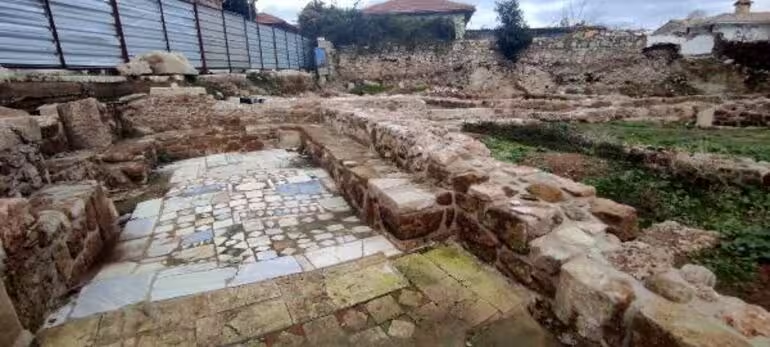
7th-century Byzantine synagogue unearthed in Side, Turkey
Excavations in Side, Turkey, reveal a 7th-century synagogue and offer a rare look at the Jewish community during the Byzantine era.
-
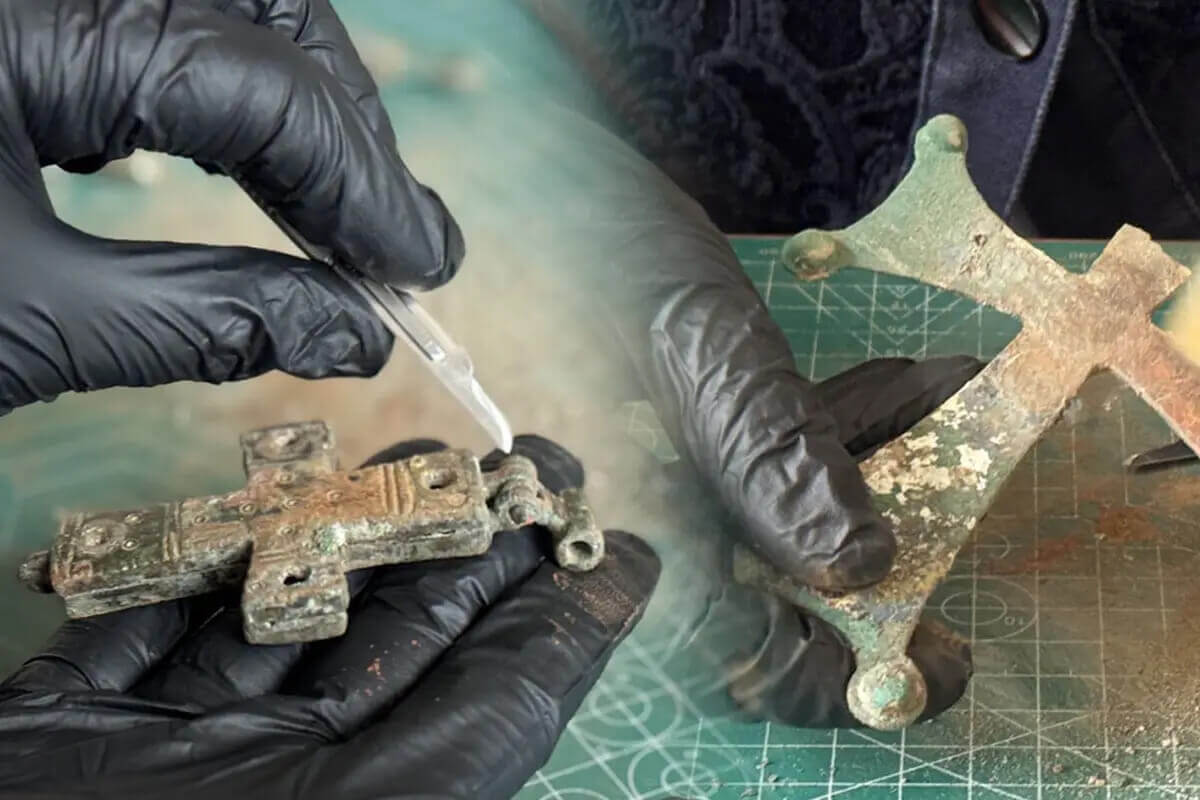
Intact Byzantine reliquary cross found in the ancient city of Lystra
Discover a rare 9th-11th century sealed bronze reliquary cross found in the ruins of Lystra.
-
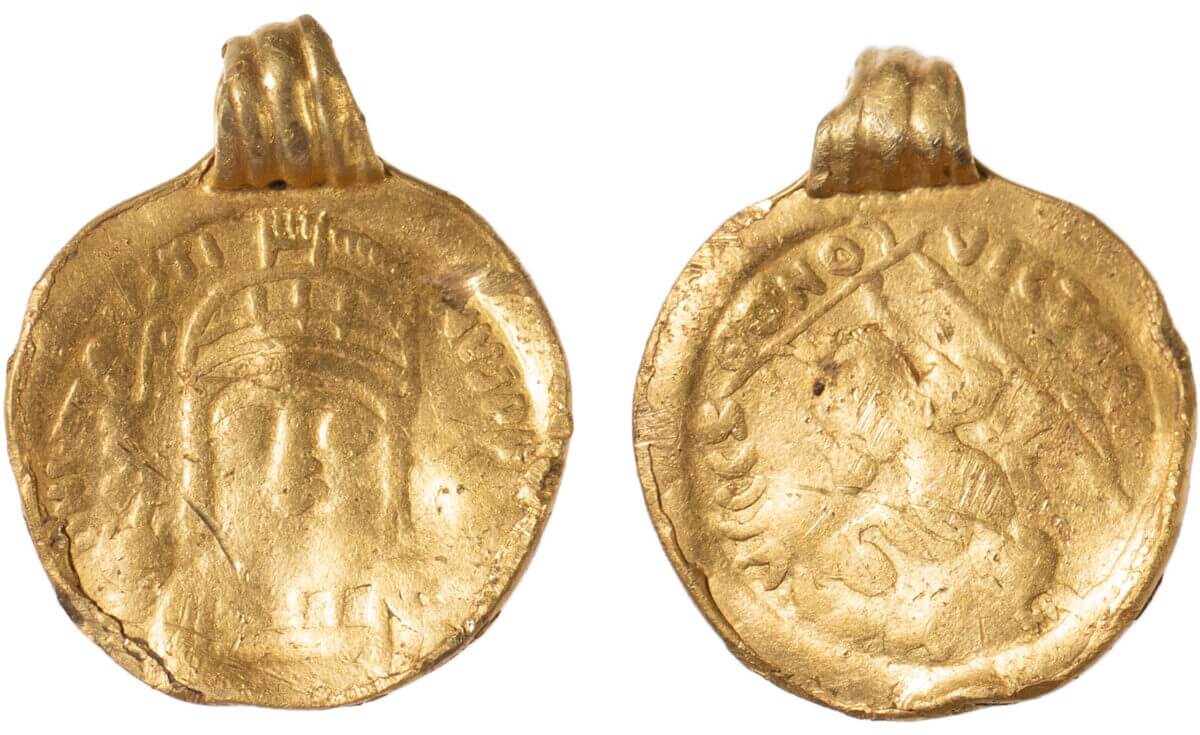
Discovery of a rare 6th-century pseudo-Byzantine gold coin in Essex
The discovery of a 6th-century pseudo-Byzantine gold pendant in Essex reveals the far-reaching influence of Byzantine imperial symbolism.
-
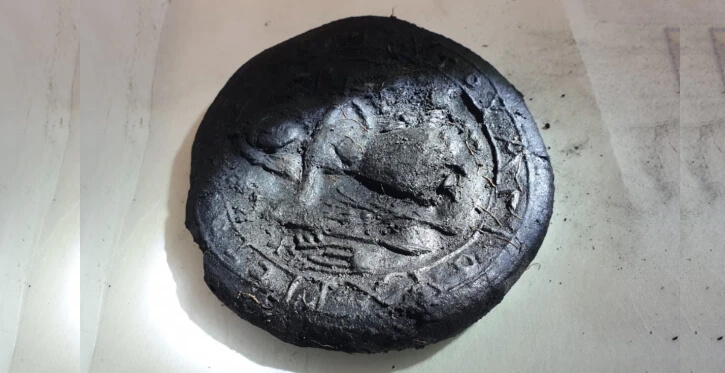
Byzantine communion bread loaves excavated in Anatolia
Archaeologists in Turkey’s Karaman province have uncovered a 1,300-year-old loaf of communion bread, featuring a rare depiction of Christ.
-
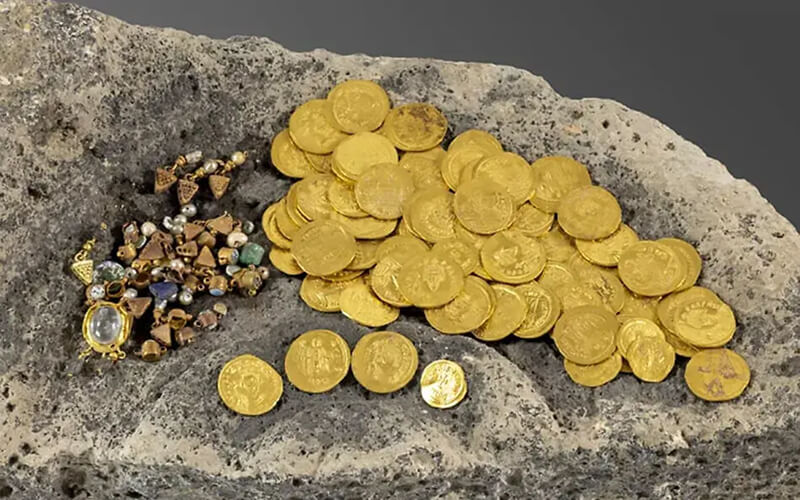
Discovery of a Byzantine gold treasure in Hippos, Israel
A rare Byzantine gold treasure of 97 coins and jewelry was unearthed at Hippos in Israel, revealing new insights into the city’s final years.
-

Discovery of a 1,500-year-old Byzantine monastery in Southern Israel
Archaeologists uncover an early Byzantine era monastery in Israel, revealing stunning mosaics, a winepress, and pottery workshop.
-
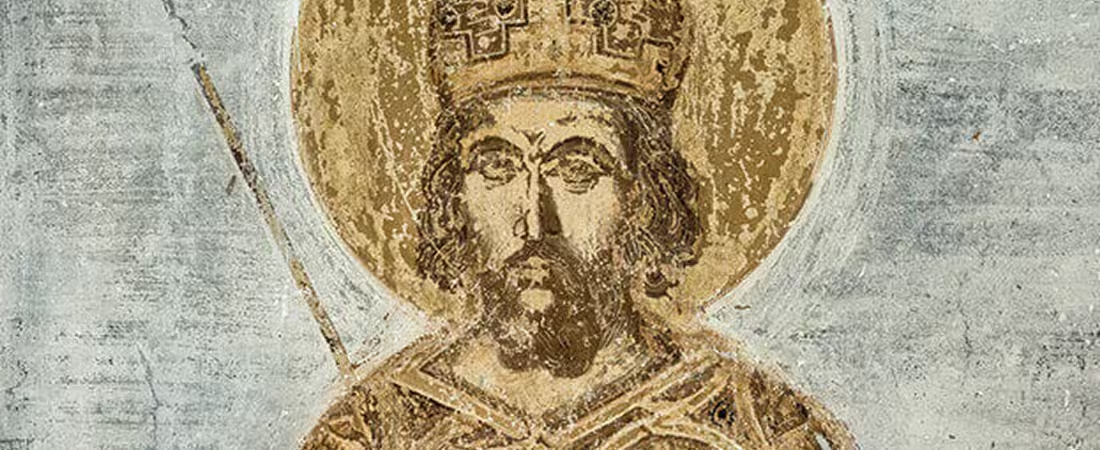
First-ever portrait of the last Byzantine emperor found in Greece
This extraordinary find offers a poignant glimpse into the last chapter of the Byzantine Empire and its final ruler, Constantine XI.
-
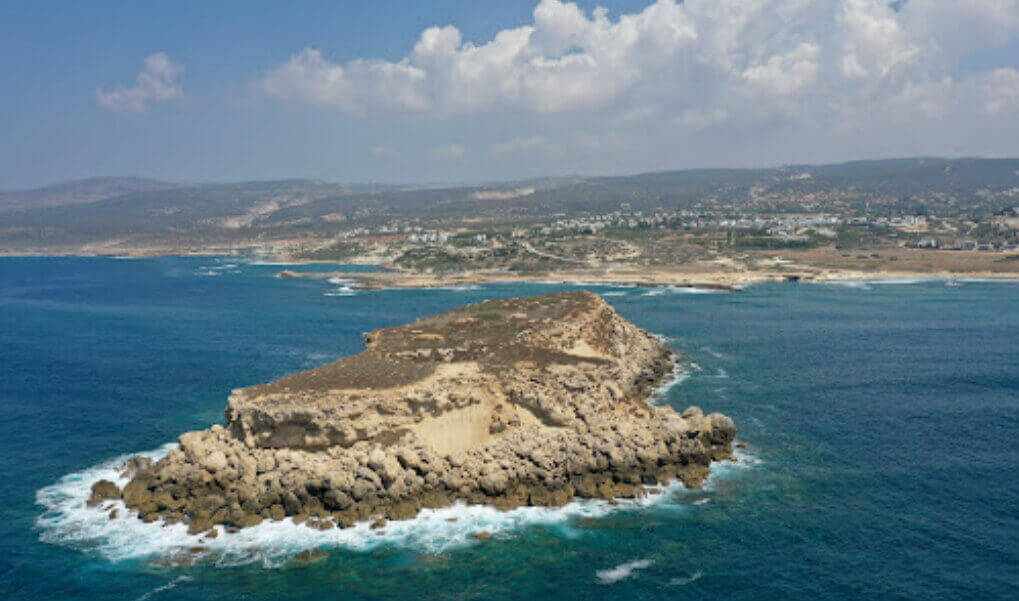
Archaeological insights from Agios Georgios and Yeronisos island in Cyprus
An international archaeological team has recently completed its excavation and survey efforts at Agios Georgios and Yeronisos Island in Cyprus’s Paphos District. These sites have revealed important insights into the region’s Byzantine and earlier histories. Initial excavations at Agios Georgios in the 1950s uncovered an extensive early Christian settlement dating to the Byzantine period. Among…
-

Sarcophagus found in Myra’s Byzantine church may be the tomb of St. Nicholas
Archaeologists may have found the original burial site of Saint Nicholas, a significant cultural figure and the inspiration for Santa Claus.
-
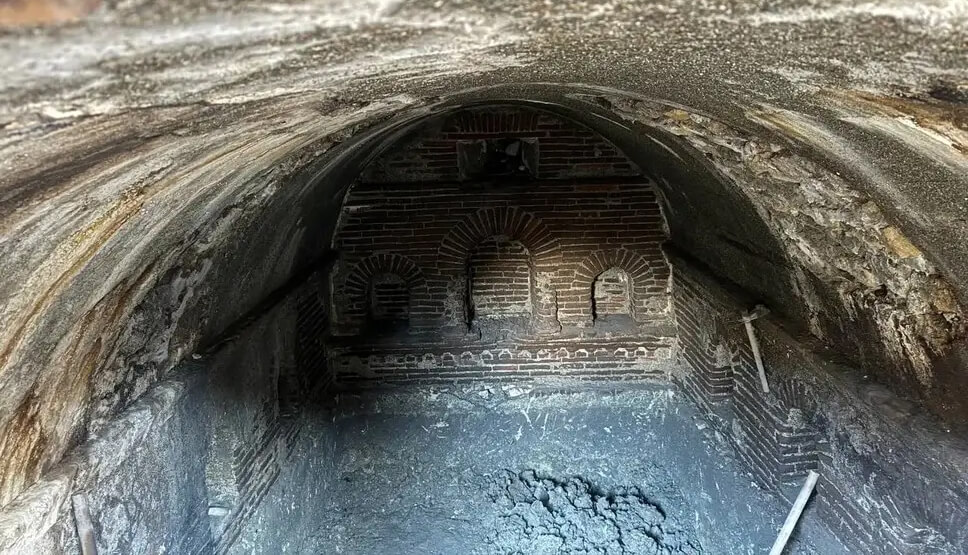
Byzantine structure unearthed from 2023 earthquake rubbles in Antakya
Archaeologists uncover a Byzantine-era vaulted structure in Antakya, a key discovery amid earthquake restoration efforts.
-

Archaeologists uncover an early christian and byzantine basilica in Aquileia
Archaeologists from the Austrian Archaeological Institute of the Austrian Academy of Sciences (ÖAW) have discovered an early Christian basilica in the city of Aquileia. Modified under Justianian Ier, it couldour view on the importance of the city in the early byzantine times. Aquileia: A major Roman city in Northern Italy still buried. Aquileia, located in…
-
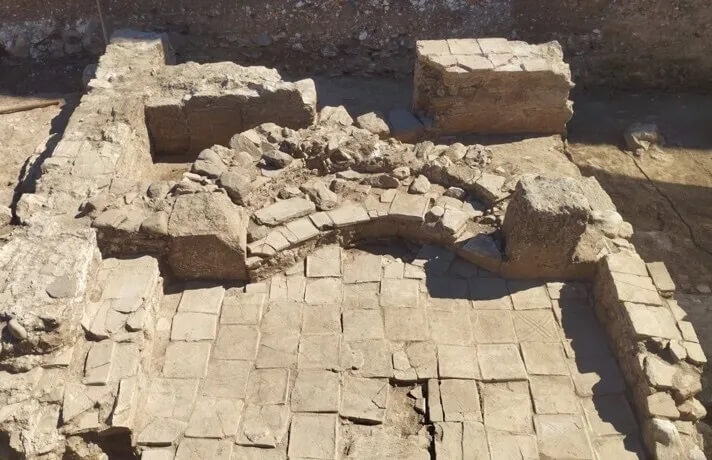
Discovery of a Basilica sheds light on Evia’s early Byzantine era
In antiquity, Oreoi was a prominent city with strong fortifications, located on the site of today’s Oreoi and Istiea on the island of Evia. Little is known about Oreoi in Byzantine times, except that it served as a bishop’s seat and was one of Evia’s five dioceses in the 6th century. Like the others, it…
-
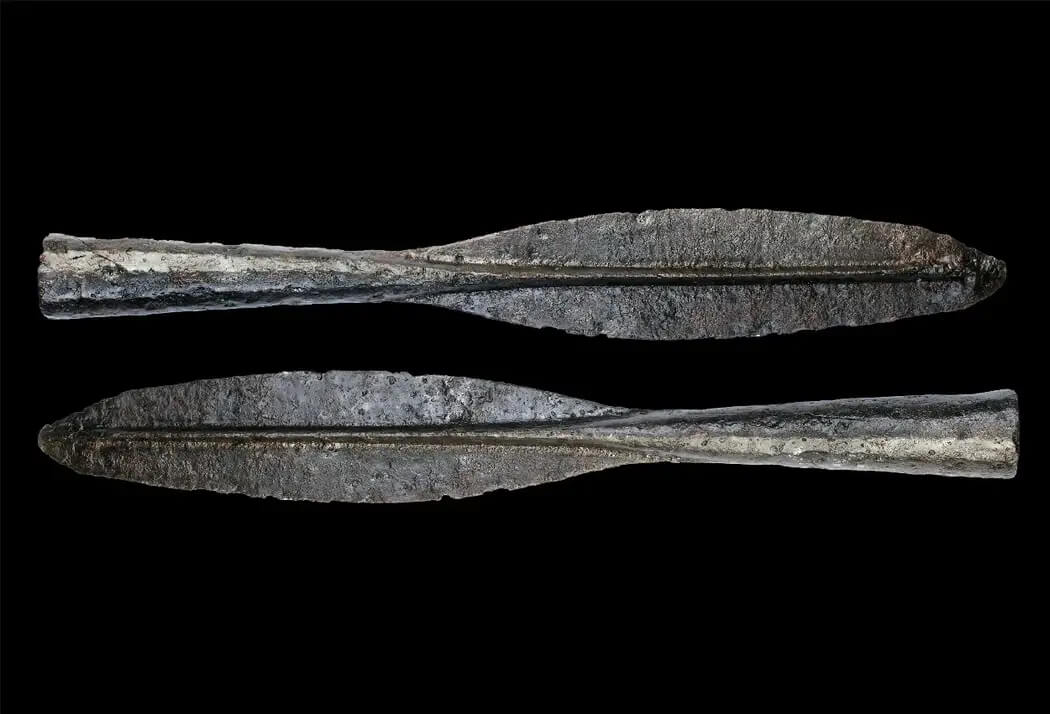
Archaeologists uncover physical evidence of the famed battle of Mantzikert
In an exciting discovery, archaeologists from the Mantzikert Battlefield Archaeological Project, led by Prof. Dr. Adnan Çevik, have uncovered physical remnants of the legendary Battle of Mantzikert (or Malazgirt). Supported by Turkey’s Ministry of Culture and Tourism and involving experts from Muş Alparslan University, this project offers a window into one of the most pivotal…
-
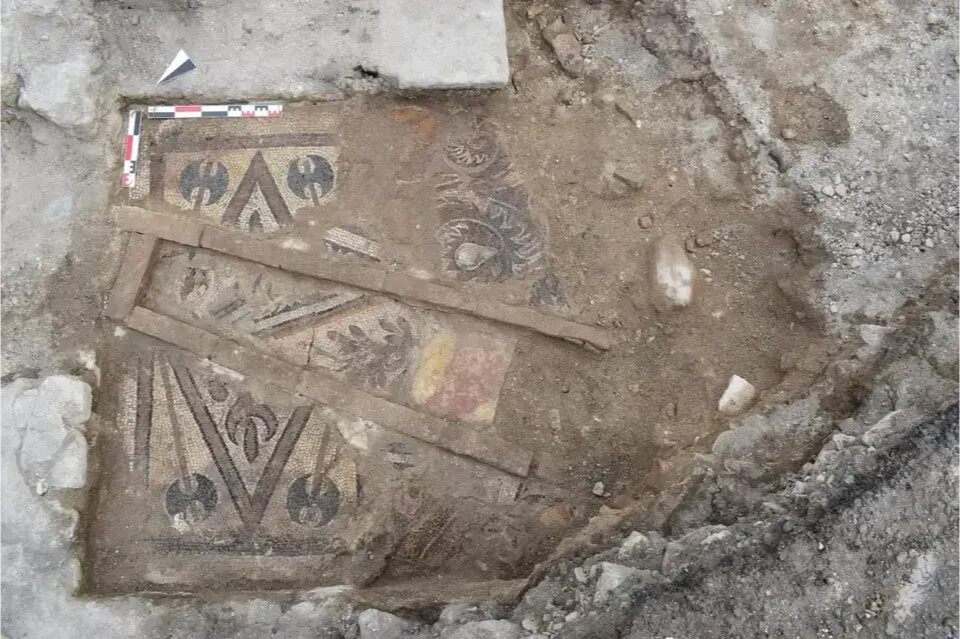
Mosaic unearthed in the excavations of a byzantine monastery in Turkey
Archaeologists have unearthed a mosaic dating to the 5th or 6th century in the ruins of a monastery dedicated to Saints Constantine and Helena near Fatsa, Turkey.
-
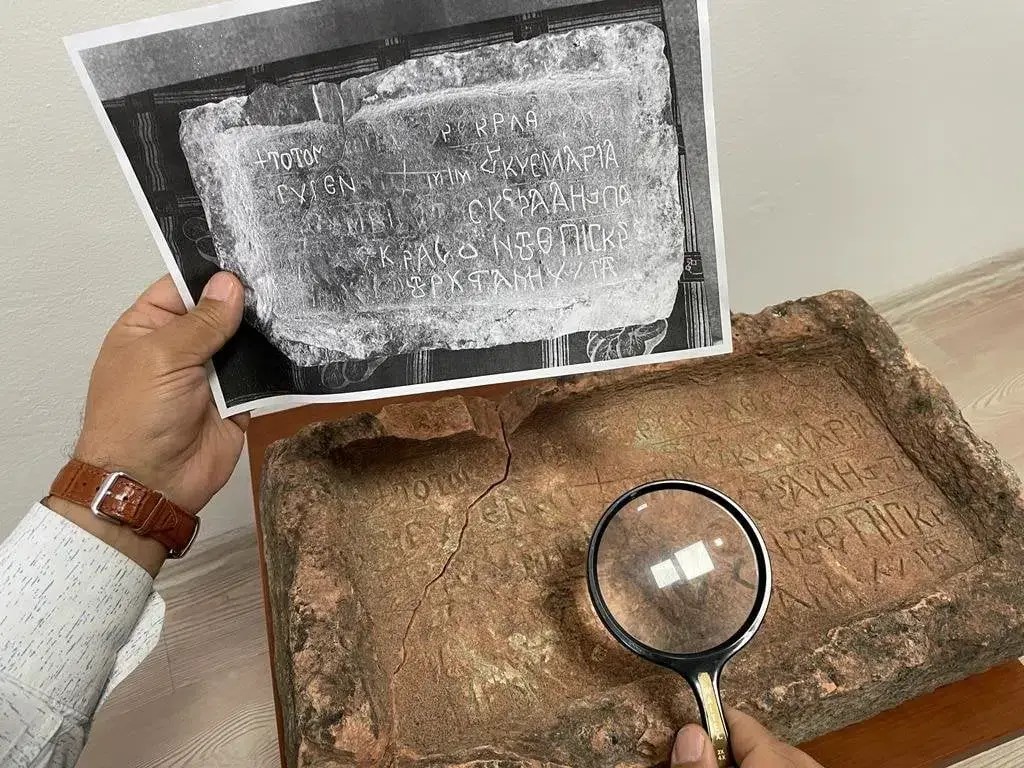
Discovery of an inscription of the Empire of Trebizond on Girasun island
Giresun Island is situated just 1.2 km (0.7 miles) off the city of Giresun, on the coast of the Black Sea. This city, very ancient, was named Kerasous and is famous for being the location from where cherries take their name from. As for the islands, it hosts several medieval ruins : fortifications, pithoi (huge…
-
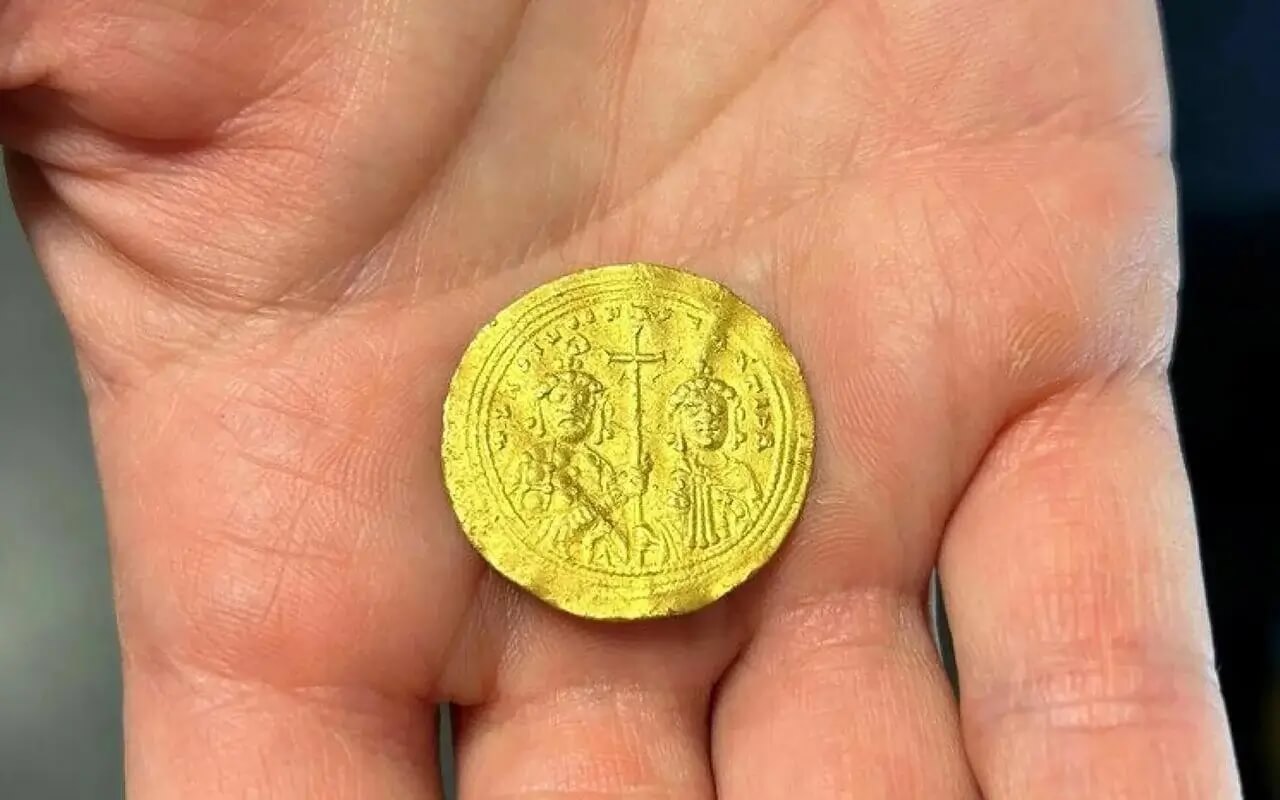
Discovery of a rare 1000-year-old Byzantine gold coin in the Norwegian mountains
Dating back to after 976 CE and showing co-emperors Basil II and his brother Constantine VIII, the coin could be tied to the Varangian Guard.