
Byzantine Fortification: City walls and castles
Byzantine fortifications stand as enduring symbols of the empire’s military skill and architectural innovation. From towering city walls to strategically placed castles, these defenses were continuously adapted to meet evolving threats over the Byzantine Empire’s thousand-year history. Each fortification not only reflects advances in military technology and engineering but also tells a story of the empire’s changing political, social, and geographic realities. Studying these structures offers a unique window into how Byzantium sought to protect its cities, secure its borders, and project power across a constantly shifting world.
Fortifications of the Early Byzantine Period (4th–7th centuries).
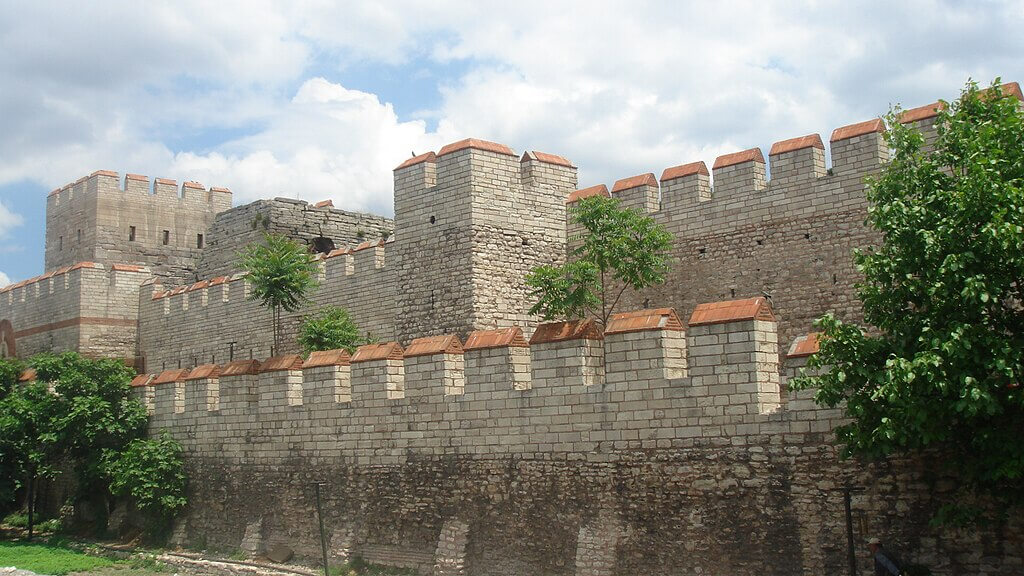
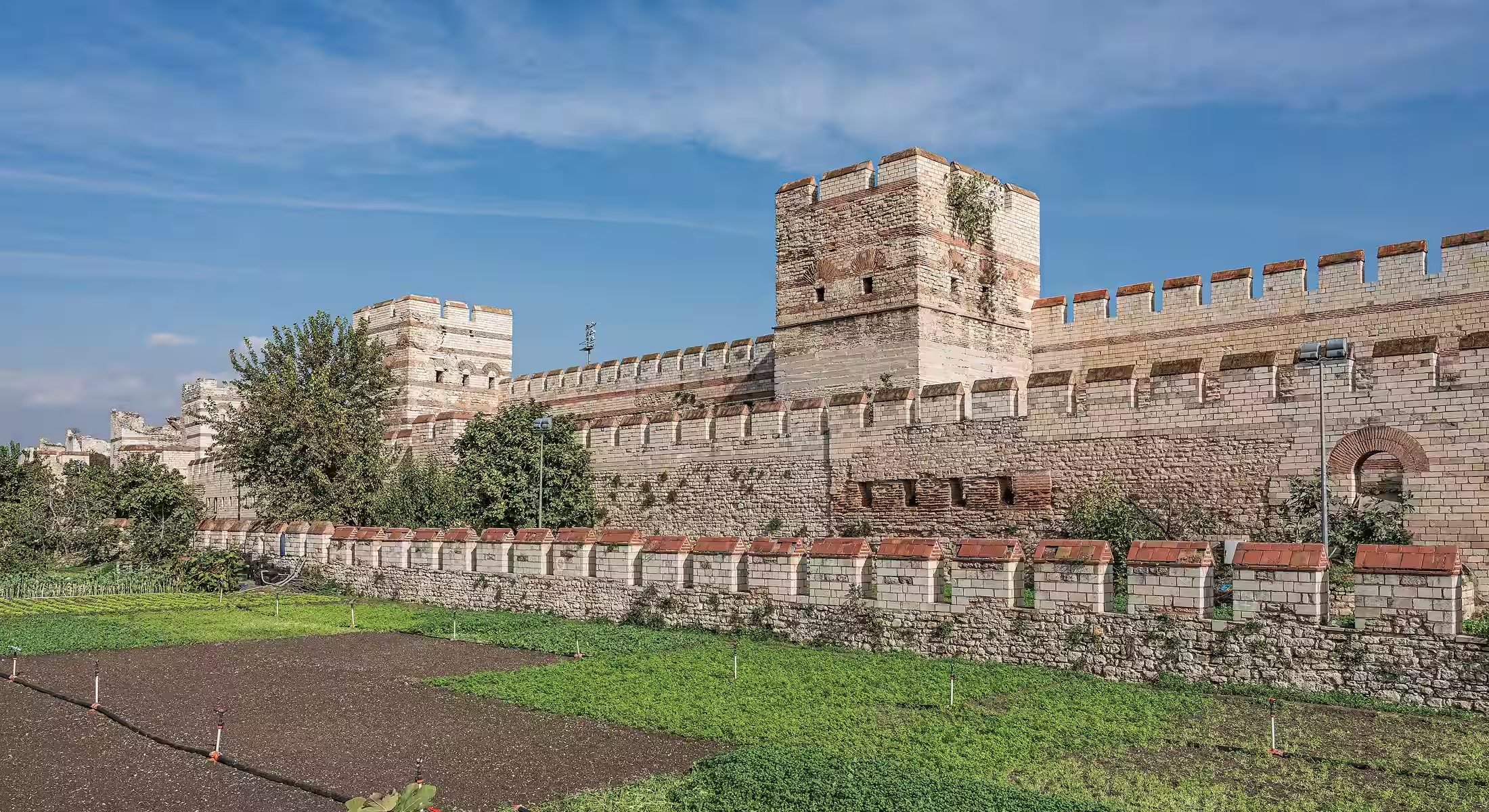
During the Early Byzantine Period, fortification strategies were still heavily influenced by late antiquity. As the empire was plagued by numerous invasions, cities felt the need to build important city walls to ward off potential attackers. The most famous endeavor is the fortification of the capital city of Constantinople. A first wall was erected, which was soon deemed as enclosing insufficient land. The Theodosian Walls, constructed under Emperor Theodosius II in the 5th century, were a masterpiece of fortification art at the time. They consisted of a complex system of double walls and a moat, stretching approximately 6.5 km. Assisted by the formidable defenses of their capital, the Byzantines were able to repel numerous attackers, and most foreign attackers of the city failed against its walls. Another significant work was the Anastasian Wall, a 56-kilometer-long wall that protected the hinterlands of Constantinople and demonstrated the strategic emphasis on defending key territories.
Uncover some of this period’s most impressive fortification achievements:


City defenses and castles of the Middle Byzantine Period (8th–12th centuries).
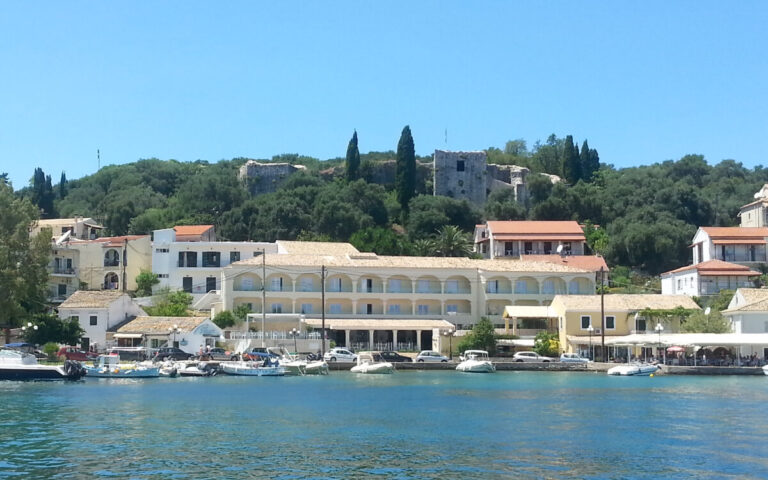
The tumultous Middle Period saw significant changes due to the empire’s shifting borders and the rise of new threats, such as the Arab caliphates and the Bulgarians. Byzantine fortifications became more robust and strategically placed. This period emphasized the use of smaller, more numerous fortresses and castles, reflecting a more fragmented and defensive stance. At a time when the Byzantine domination of the sea was challenged, castles and fortifications were also erected in most of the Aegean islands.
The city of Constantinople itself saw further enhancements, such as the addition of the Blachernae Walls in the late 11th century. These fortifications extended the city’s defenses to include the Blachernae district, illustrating the continuous adaptation of urban defenses in response to new threats. Nonetheless, the defenses of the largest Byzantine cities proved unable to repel attacks from various enemies. Thessaloniki was captured by the Normans in 1185, while even the formidable walls of Constantinople could not prevent the city from falling to the Crusaders in 1204.
Explore some of the most remarkable fortification works of this era:
Fortification works during the Late Byzantine Period (13th–15th centuries).
The Late Byzantine Period was marked by the empire’s decline and fragmentation, leading to a greater reliance on fortifications for the defense of isolated territories and principalities. During this time, fortifications often became more complex and adapted to the era’s evolving military technologies.
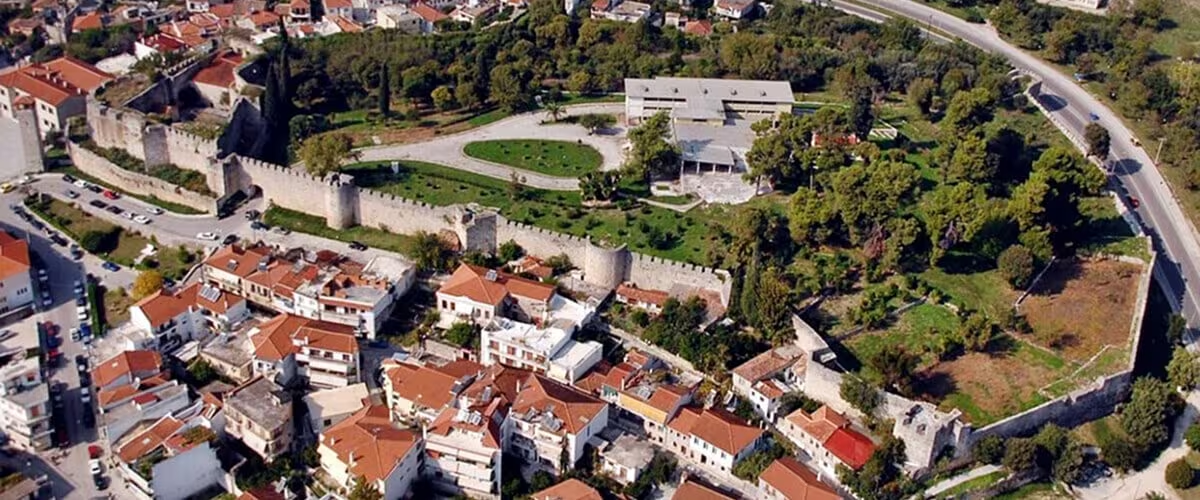
The fortification works undertaken by the Laskarid emperors in Asia Minor, and by the Despotate of Epirus in Corfu and northwestern Greece, testify to the need to strengthen their positions against multiple enemies on several fronts. Some strongholds were equipped with elaborate defenses, reflecting their significant political and military roles, like the castles of Nymphaion or Arta.
The fortress of Mystras, near ancient Sparta, is a notable example. Established in the mid-13th century, Mystras became an important cultural and administrative center, protected by robust fortifications that included a citadel and extensive defensive walls. Its strategic hilltop location offered natural protection, further reinforced by strong masonry defenses.
Another prominent example is the city of Trebizond, the capital of the Empire of Trebizond, a Byzantine successor state. The city’s fortifications – dating back to earlier periods but substantially strengthened during the late Byzantine era – featured massive walls and towers that took advantage of the rugged terrain to maximize defensive strength.
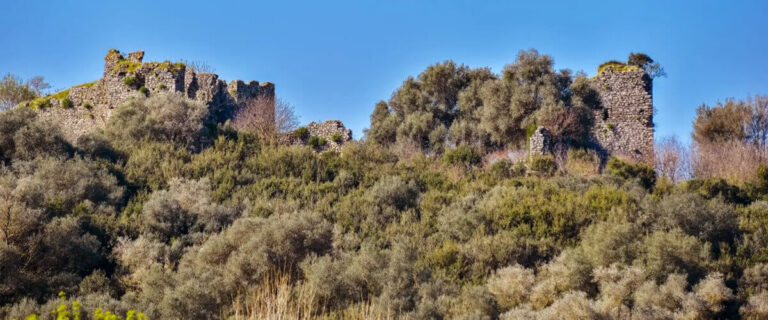
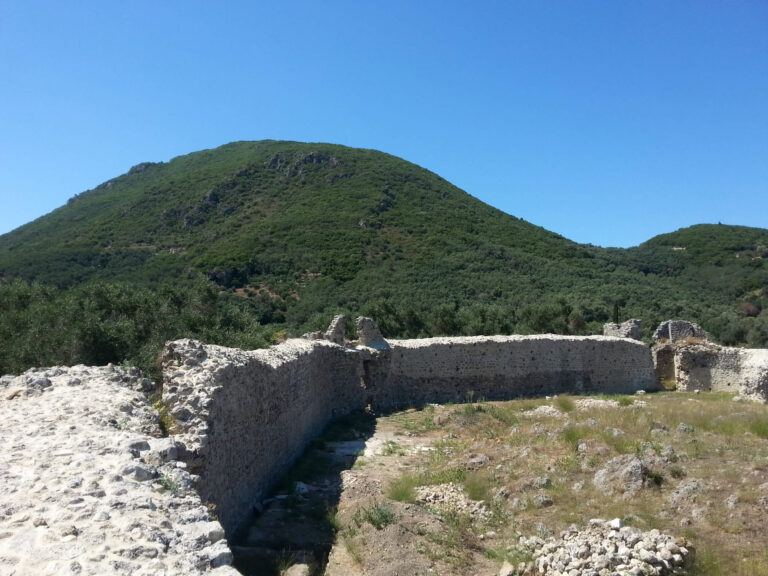
However, many secondary fortresses were also constructed or reinforced throughout the Byzantine territories in an effort to defend them more effectively against growing threats. These ones were often less elaborated, both in terms of sophistication and construction techniques.
Learn about some of the most notable defensive works from this era:

In conclusion, Byzantine fortifications evolved remarkably from the grand, urban defensive systems of the early period to the more dispersed and strategic fortresses of the middle period, and finally to the complex, localized fortifications of the late period. These structures not only reflect the military challenges and technological advancements of each era but also symbolize the resilience and adaptability of the Byzantine Empire across centuries.