Egypt’s Nile Delta yields its second-largest Christian monastic site
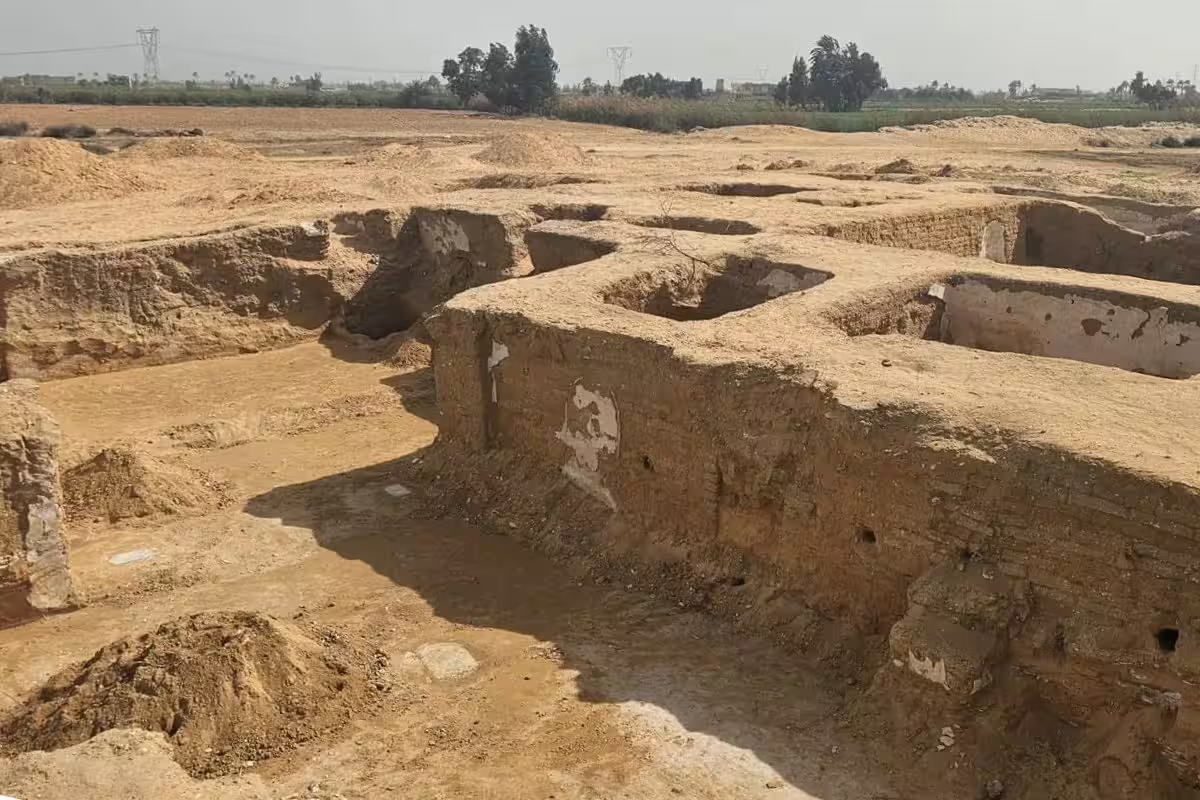
Excavations at Al-Qalāyā in Egypt’s Beheira Governorate have uncovered a 5th-century monastic complex of remarkable scale. The site, explored since 2023 by a mission from the Supreme Council of Antiquities, is now identified as the second-largest monastic community in Christian history – a finding that shifts attention away from Upper Egypt’s famous desert monasteries toward an unlikely setting: the fertile Nile Delta.
A guesthouse with thirteen rooms.
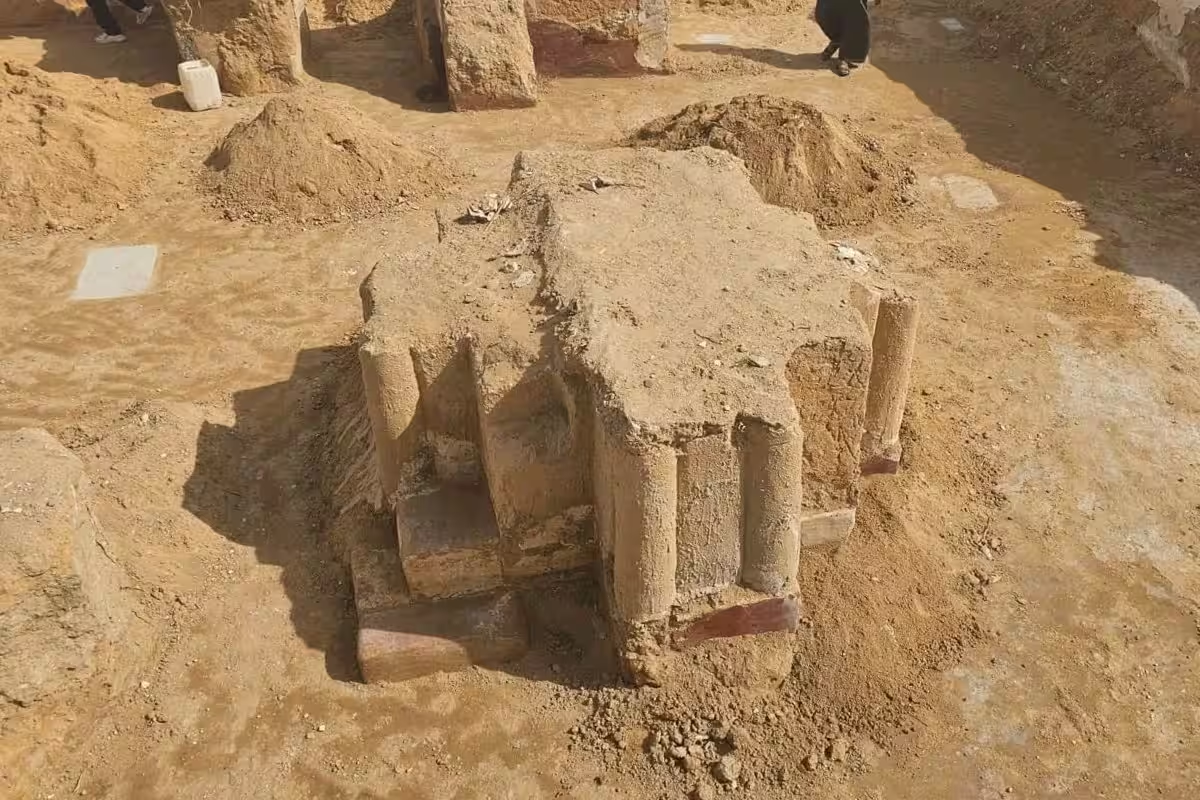
The latest structure to emerge from the dig is a guesthouse building with thirteen rooms serving distinct purposes – monks’ individual cells, shared living quarters, teaching spaces, a kitchen, and storage rooms. A large reception hall in the northern wing, its stone platforms decorated with botanical carvings, was designed to welcome visitors. At the eastern end, a prayer room with an apse contains a limestone cross – a defining feature of early Christian worship spaces. The building’s layout reflects a community that had developed well beyond individual hermit cells into an organised, self-sufficient settlement.
Coptic painting at its earliest.
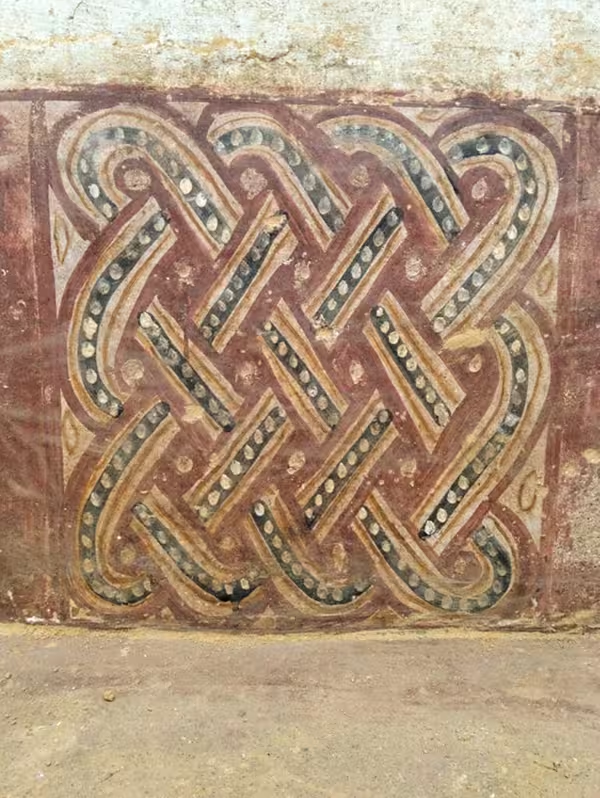
The wall paintings uncovered at Al-Qalāyā rank among the oldest surviving examples of Coptic artistic expression. Monastic figures, identifiable by their garments, appear alongside braided borders, eight-petalled flowers, and botanical compositions.
One mural depicting two deer within a circular frame of plant motifs is particularly striking, drawing on a visual language shared across early Christian communities in Egypt and beyond.
Objects from daily life.
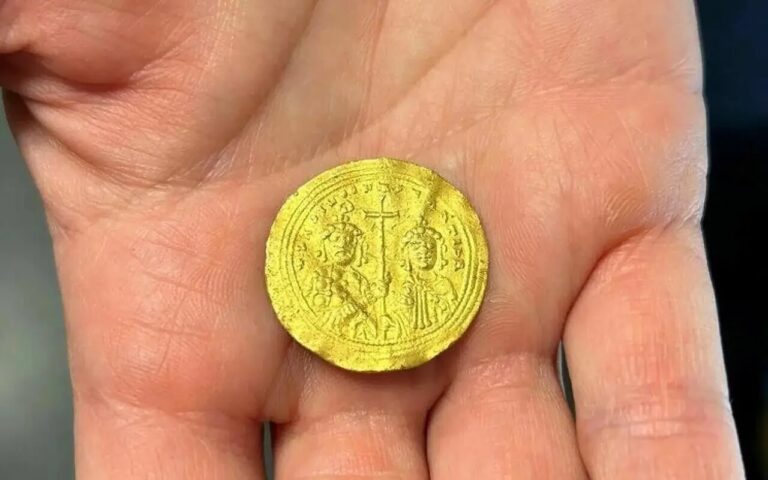
Pottery, ceramic fragments with Coptic inscriptions, animal bones and oyster shells give a concrete picture of what life looked like inside the monastery. A two-metre marble column and carved capitals point to the resources invested in the site.
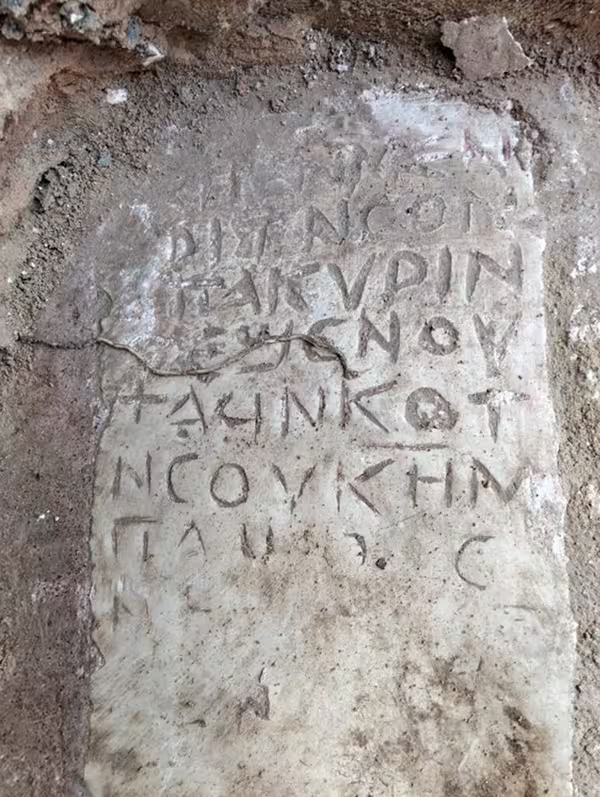
A limestone funerary slab inscribedcommemorates “Abba Kir ibn Shenouda” – a personal name that surfaces from fifteen centuries of silence.
Al-Qalāyā adds a significant and previously missing piece to the history of early Christian monasticism. The Nile Delta, long overshadowed by Upper Egypt in this story, turns out to have harboured one of the largest and most complex monastic centres of its time. Further excavations will likely deepen that picture considerably.
Source: Egyptian Ministry of Tourism and Antiquities, Archeonews
Photographic credits: Egyptian Ministry of Tourism and Antiquities via Facebook