Byzantine Monasteries
Byzantine monasteries were home to communities of monks or nuns who lived according to a monastic rule, a set of guidelines and practices that governed their daily lives. These communities dedicated themselves to prayer, contemplation, and manual labor, striving to achieve spiritual purity and union with God. They were part of the Byzantine clergy and had a great influence on religious and political matters throughout Byzantine history.
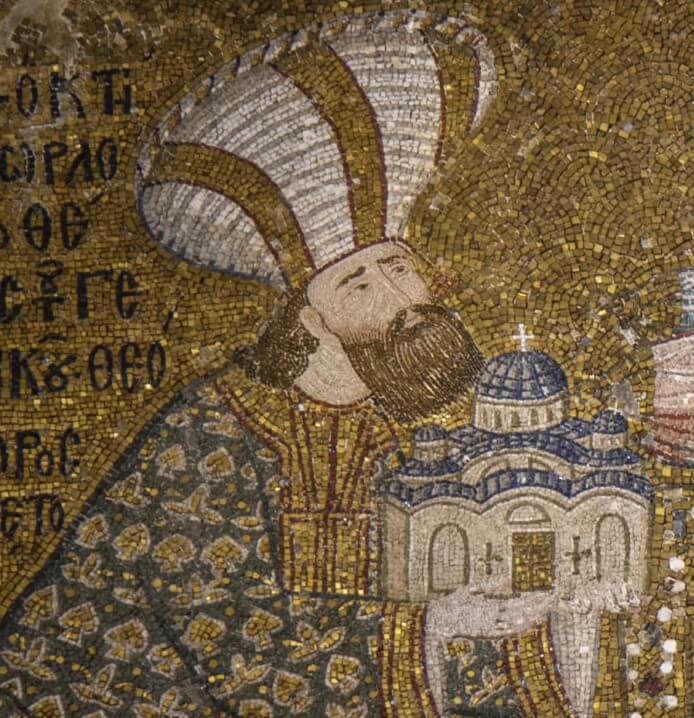
Monasteries were typically founded and supported by emperors, nobles, or wealthy individuals. While many were established in remote or isolated locations – such as mountains, deserts, or islands – numerous others thrived in urban centers. They became vital hubs of religious, cultural, and artistic activity in the Byzantine Empire. As centers of learning and education, many monasteries housed libraries and scriptoria where manuscripts were copied and preserved.
They also served as workshops for the creation of icons, frescoes, and other artistic works, playing a crucial role in shaping and transmitting Byzantine culture and art.
Their architecture also evolved across the centuries and was the reflection of changing spiritual, cultural, and political realities.
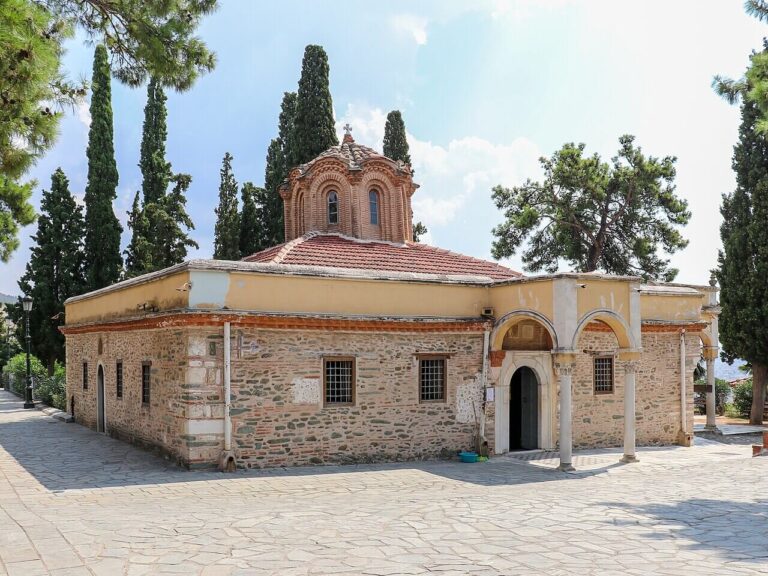
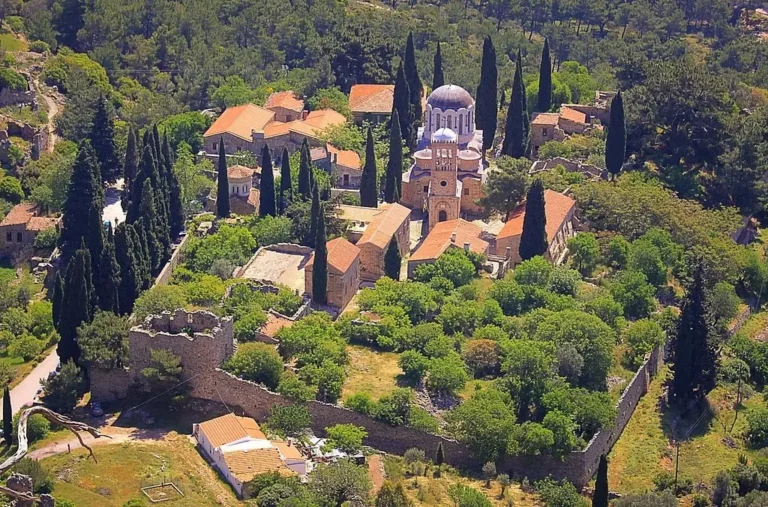
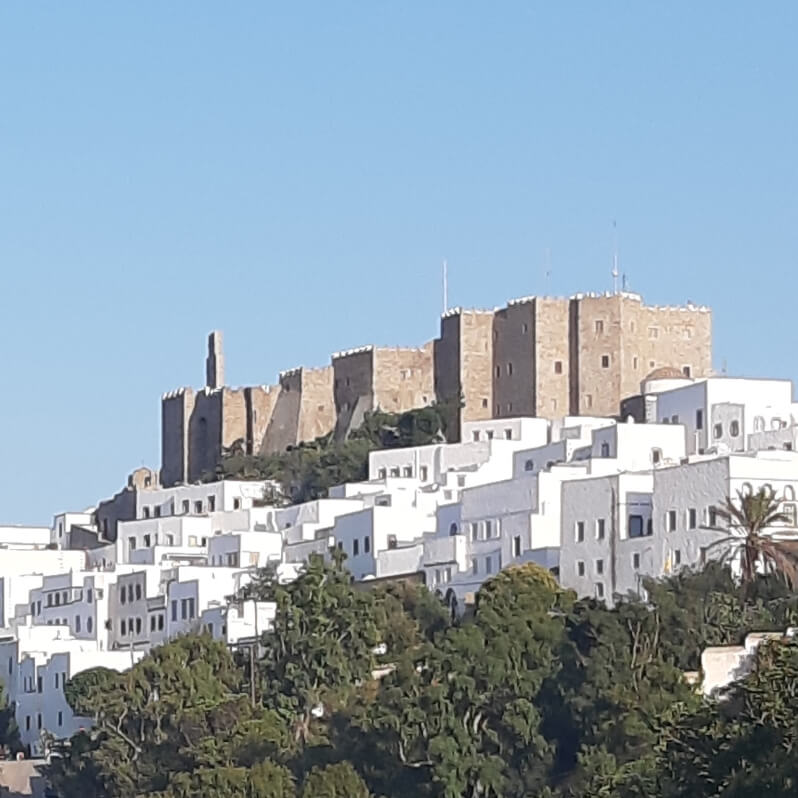
While early Byzantine monasteries emphasized functional communal spaces and modest churches, later monasteries often adopted fortified designs, with high walls, towers, and defensive gates, reflecting the need to protect communities and treasures during periods of invasions, civil unrest, and Ottoman encroachment. At the same time, sacred spaces within the walls – churches, chapels, and icon-filled interiors – continued to express spiritual ideals and the prestige of the monastic community.
Spiritual and political influence of the monasteries in the Byzantine empire.
Byzantine monasteries were centers of spiritual authority and, at times, political influence, deeply embedded in the empire’s religious and ideological struggles. During the Iconoclasm controversy (8th–9th centuries), when imperial policy sought to ban the veneration of icons, monasteries – particularly the great centers such as the Stoudios Monastery in Constantinople – emerged as beacons of resistance. Monks at these institutions defended the theological and liturgical centrality of icons, producing treatises, hymns, and sermons to sustain popular devotion. Their unwavering opposition to iconoclast emperors, sometimes at great personal risk, not only preserved key aspects of Orthodox spirituality but also asserted monastic authority in shaping imperial policy, forcing eventual reconciliation and restoration of icon veneration under Empress Theodora in 843.
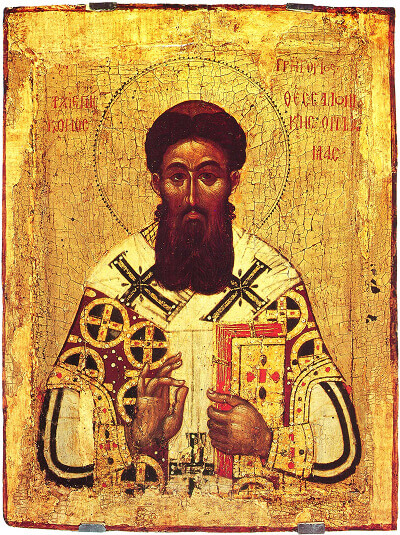
In later centuries, monasteries continued to influence both spiritual life and imperial politics. The Hesychast controversy of the 14th century, centered on the practice of contemplative prayer and the mystical experience of the divine light, was championed by monastic figures such as Gregory Palamas at Mount Athos. Monasteries became arenas for intense theological debate, defending the contemplative life against critics and guiding imperial endorsement of Hesychasm as Orthodox practice.
Similarly, monasteries played a key role in the negotiations surrounding the Union of the Churches in the 15th century, when the Byzantine state faced pressure from the Papacy to reconcile with Rome. Many monks actively opposed the union, insisting on the integrity of Orthodox doctrine, while others leveraged their influence to negotiate terms with emperors and councils. In each of these phases, monasteries acted not only as spiritual strongholds but also as political interlocutors, mediating between rulers and the faithful, shaping imperial decisions, and defending the religious identity of the empire.
In essence, Byzantine monasteries were far more than secluded spiritual retreats: they actively engaged in the empire’s defining religious controversies, wielding moral authority and political influence in defense of Orthodox tradition, a role reinforced by their considerable wealth.
Economical role of the Byzantine monasteries.
Beyond their spiritual and cultural significance, Byzantine monasteries were also major economic players in the empire. From the early Middle Byzantine period onward, monasteries acquired – through buying or donations – extensive land holdings, including villages, farmland, vineyards, and olive groves. These estates allowed them to produce surplus goods – grain, wine, oil, livestock – which could be consumed locally, sold, or traded, making monasteries self-sufficient and often highly profitable.
Monastic communities also collected rents and taxes from dependent peasants and sometimes operated mills, bakeries, workshops, or even fleets of ships for trade and transport. Some monasteries held rights to markets, ports, or tolls, integrating them directly into the empire’s commercial networks. Their wealth enabled them to commission grand churches, icons, manuscripts, and precious metalwork, enhancing both spiritual prestige and social influence. They were also sometimes heavily fortified against pirates or enemy raids and could serve as refuges for local populations.
Byzantine emperors frequently attempted to limit the number and wealth of monasteries. Laws issued by rulers such as Leo VI (r. 886–912) and Alexios I Komnenos (r. 1081–1118) restricted monastic property acquisition or required imperial approval for donations.
These measures were largely unsuccessful: monasteries continued to accumulate wealth through noble and imperial donations, often bypassing restrictions through legal arrangements. By the late Byzantine period, monasteries had become powerful economic actors, sometimes rivaling regional governors. Their wealth allowed them to survive political upheavals, sustain urban and rural economies, and act as centers of literacy, diplomacy, and culture, ensuring their significance long after the empire’s decline.
Legacy of Byzantine monasteries.
The legacy of Byzantine monasteries extended far beyond the fall of the Empire. Many of these institutions endured and even thrived under Ottoman rule, often negotiating privileges from the sultans that strengthened their role in local communities. They served as economic and cultural centers, frequently hosting libraries and schools, and acted as beacons for Greek and Christian populations. The Church, particularly through its monasteries, played a pivotal role in preserving Greek identity, which later contributed to the revival of national consciousness in the 19th century. As a result, monasteries also became targets of looting and destruction, especially during the revolts and the Greek War of Independence in the 19th century, as well as during the Balkan Wars and the Greco-Turkish conflict of 1922–1923.
Today, monasteries inherited from Byzantine times remain important centers of religious and cultural activity in the Orthodox Christian world. They also have preserved many artworks, manuscripts and archives from the Byzantine times, and many have become popular pilgrimage destinations and UNESCO World Heritage Sites, such as the monasteries of Mount Athos or Meteora, the Nea Moni in Chios, and the monastery of Hosios Loukas, of Daphni near Athens or the monastery of Saint John the Theologian on Patmos.