Gold treasure and imperial ring in 7th-century Byzantine wreck in Croatia
Nineteen years of systematic underwater research conducted by the Croatian Conservation Institute’s Department of Underwater Archaeology off the island of Mljet have uncovered 20 previously unknown shipwrecks spanning from the 2nd century BCE to the 16th century. Among these, a late 7th to early 8th-century Byzantine ship stands out as one of the most important Mediterranean discoveries from this period. Led by Igor Miholjek and Pavle Dugonjić, the excavations have yielded over 600 grams of restored gold, marking the largest concentration of precious metal ever recovered from a Mediterranean shipwreck.
Elite belts and an imperial signet ring
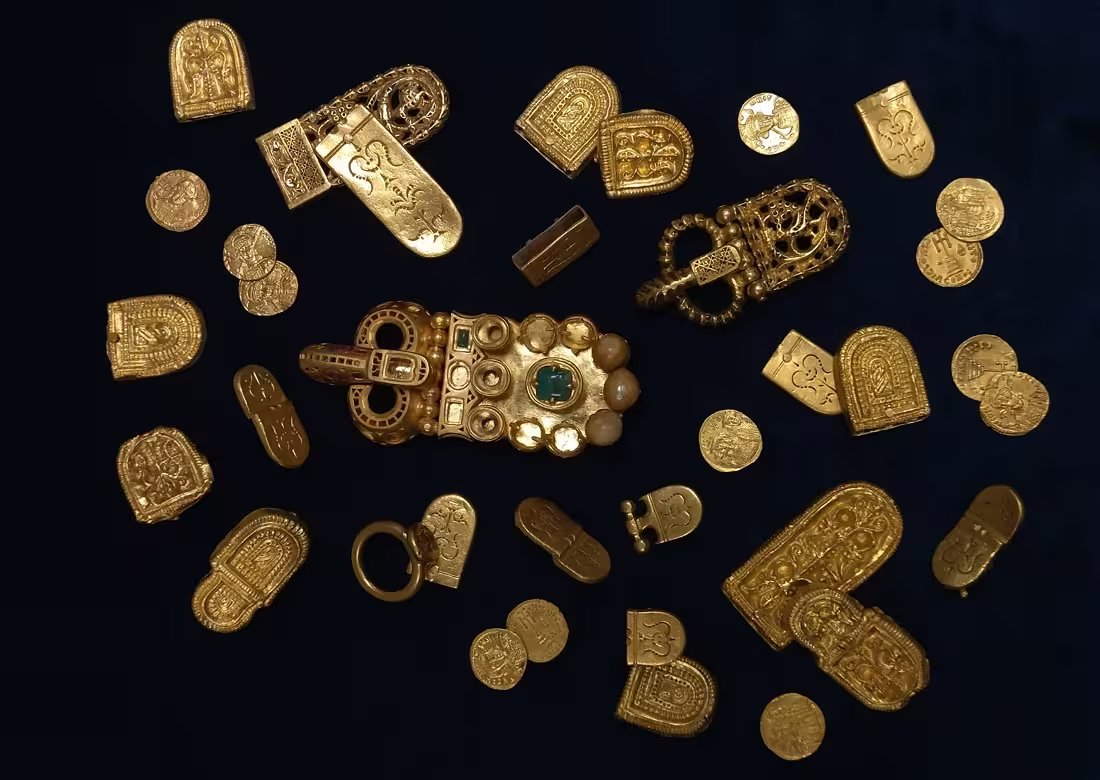
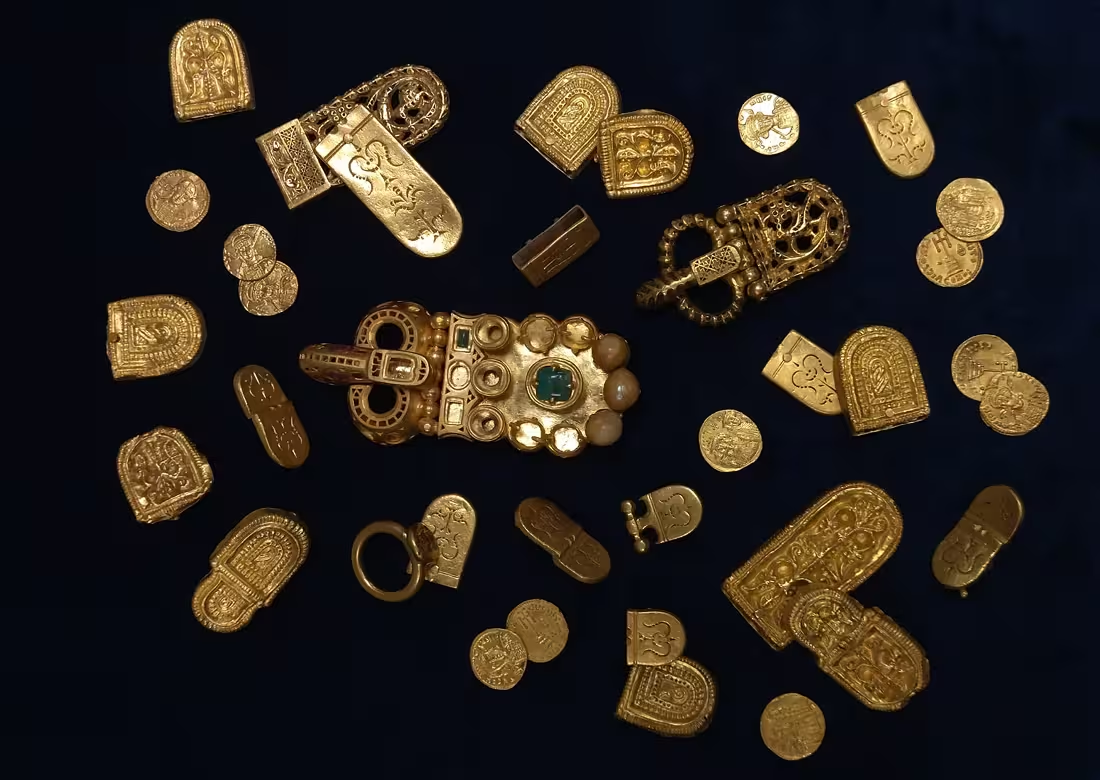
Excavations initiated in 2015 have completed nine field campaigns, uncovering unprecedented luxury items. Archaeologists retrieved four complete golden belt sets, alongside gold buckles and decorative belt tongues adorned with emeralds, rubies, and pearls. These elaborate leather belt fittings were strictly reserved for high-ranking Byzantine dignitaries to denote status within the imperial hierarchy. Such artifacts have never before been located in an underwater context anywhere in the Mediterranean region.
Among the standout artifacts is a gold signet ring engraved with the likeness of an emperor from the Heraclian dynasty. Entrusted only to top state or military officials authorized to seal official documents, the ring served as an emblem of state authority. Scholars believe it was either a diplomatic gift or the personal possession of an elite official aboard the vessel.
Precise dating and mixed commercial cargo
The site also yielded gold coins minted under four different emperors of the Heraclian dynasty, pinpointing the date of the sinking to the late 7th or early 8th century. Despite the political turmoil facing the Byzantine Empire at the time, this discovery proves that long-distance maritime networks and high-level official travel persisted across the Adriatic Sea.
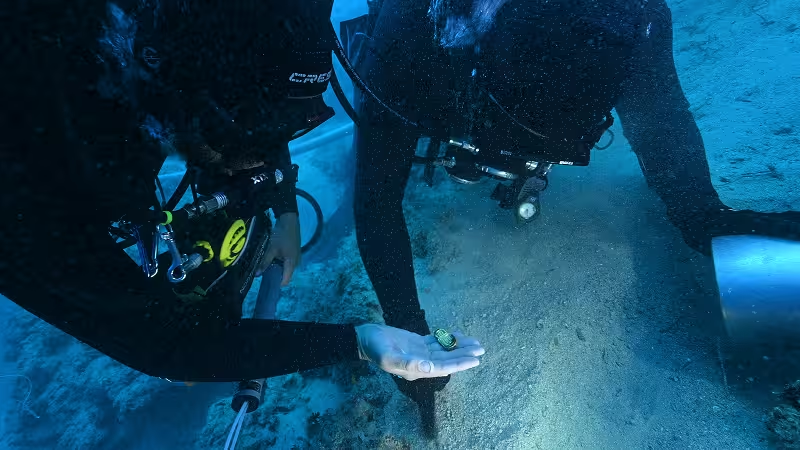
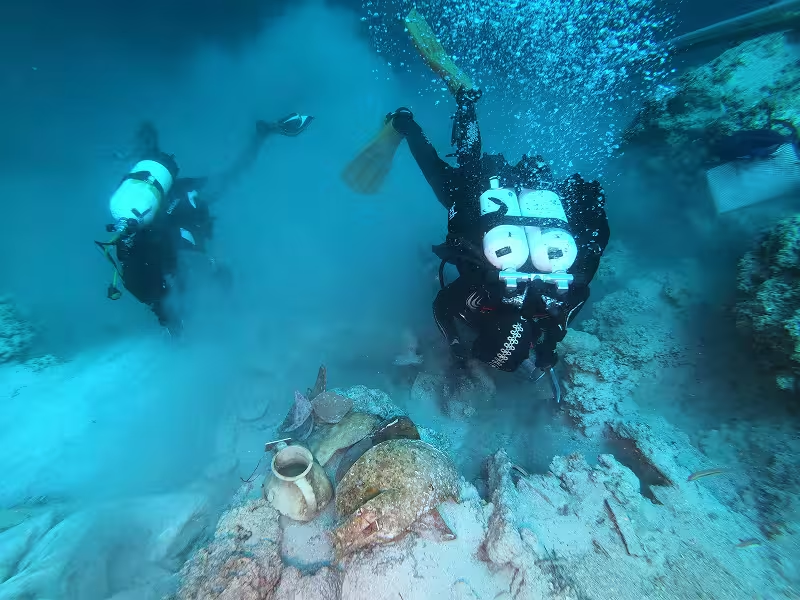
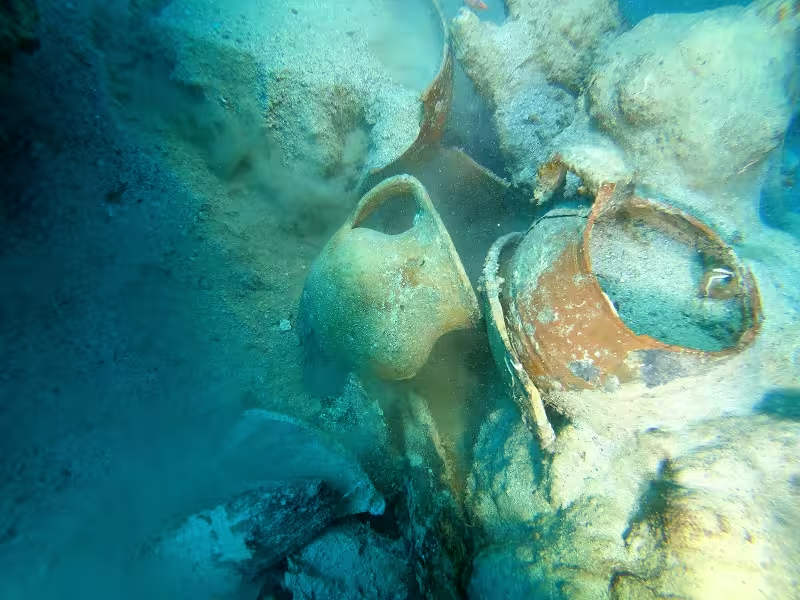
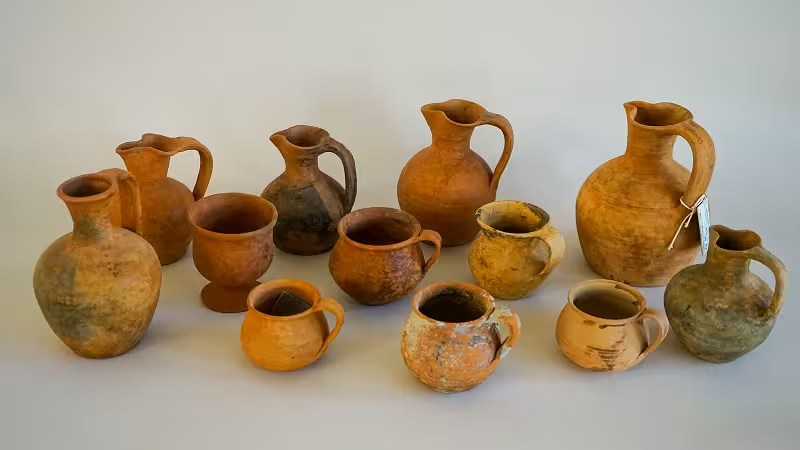
In addition to elite items, the ship carried a broad commercial cargo. The recovery of amphorae, merchant scales, ivory tokens, and ceramic tableware (such as bowls, plates, and jugs) demonstrates a blend of official transit and active trade.
Collaborative analysis and strategic context.
Mljet sits along a major maritime passage linking the eastern and western Mediterranean. Researchers suspect the vessel sank while attempting to seek refuge from severe weather in Polače Bay, a well-known natural harbor home to a Late Antique palace complex.
The ongoing research involves multiple institutions and specialists:
- Stanford University: Professor Justin Leidwanger leads a team analyzing the ship’s cargo, specifically focusing on the amphorae and ceramic vessels.
- Belts Analysis: Prof. Dr. Falko Daim and Dr. Levante Samu examine the manufacturing techniques and decorative motifs of the gold belt sets.
- Numismatics: Dr. Sc. Željko Demo analyzes the imperial coin finds.
- Logistical and Field Support: Assistance is provided by the Croatian Police Directorate’s Intervention Command, Mario Orlandini, the Aquatica Mljet diving center, and the company NavArchos, led by Dr. Sc. Anton Divić.
The late 7th-century wreck off Mljet provides critical evidence of Byzantine imperial logistics, administration, and maritime travel during a turbulent era. Through the combined efforts of international experts, the excavation illuminates the enduring strength of Mediterranean trade routes and elite mobility over 1,300 years ago.
Source (in croatian): Byzantine shipwreck on Mljet – one of the most important underwater archaeological discoveries on the eastern coast of the Adriatic | HRZ
Cover image and images credits: Hrvatski restauratorski zavod, 20.07.2026.